

The Little Fellow’s Banker: How A.P. Giannini Built Bank of America From a North Beach Saloon
The son of a Ligurian farmer lent to the immigrants other banks ignored, rescued his depositors’ money from the 1906 fire, and built the biggest bank in the world. Then he died with almost nothing.

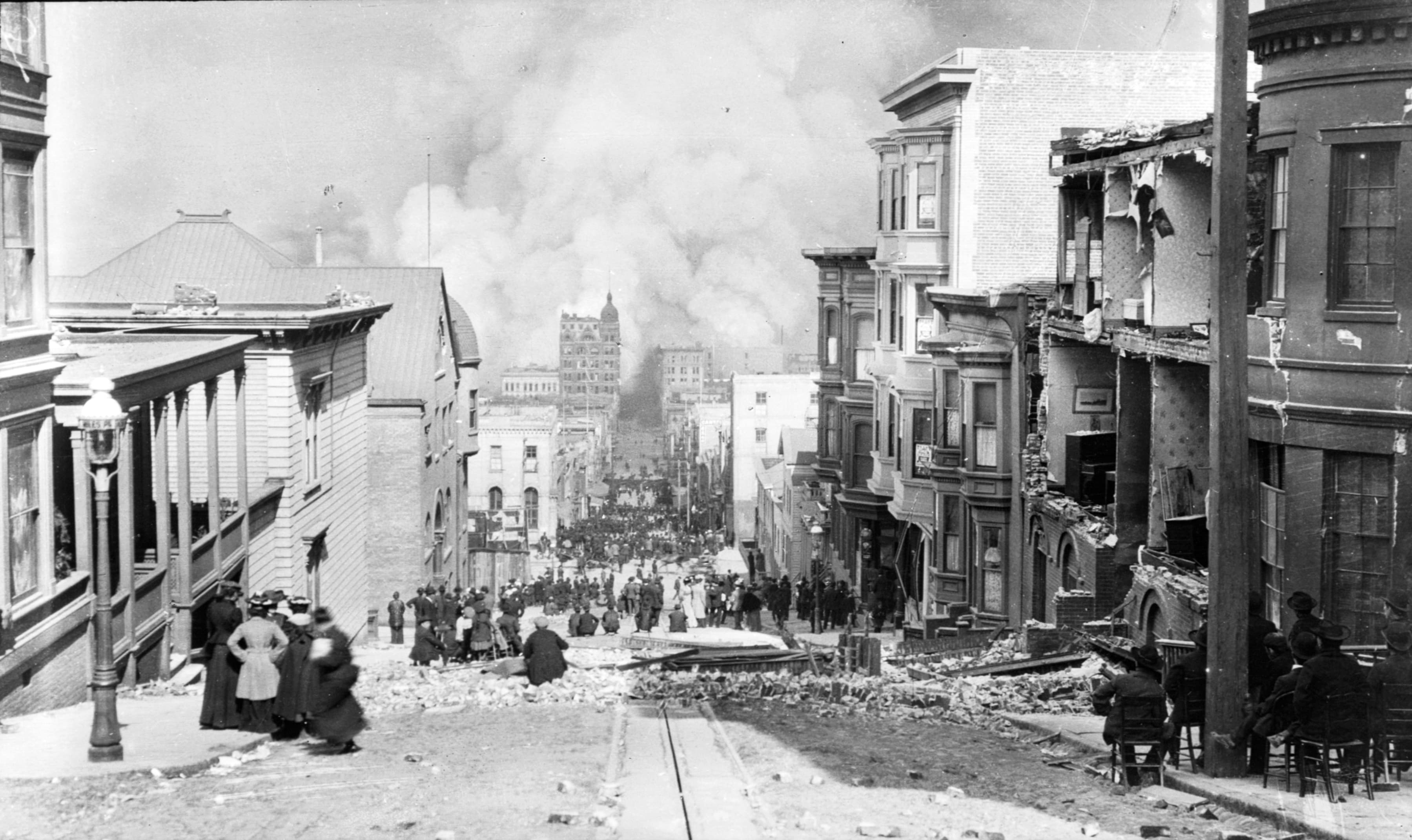
On the morning of April 18, 1906, as fire spread through an earthquake-shattered San Francisco, a 35-year-old banker loaded two wagons with his bank’s cash and records and hid the money under crates of oranges. Then he drove it out of the burning city, past the looters, to his home in San Mateo. For weeks afterward, the story goes, the bills smelled of orange juice.
Many of San Francisco’s big banks couldn’t open their vaults for weeks; the heat inside them made it too dangerous. Amadeo Peter Giannini didn’t have that problem. Within days he was set up on the Washington Street wharf with a plank laid across two barrels for a desk, taking deposits and making loans on a handshake so his neighbors could rebuild. He later said every one of those loans was repaid.
The bank he ran from that plank was the Bank of Italy. It would become Bank of America, for years the largest privately held bank in the world. And the man who built it died with an estate of about $500,000, pocket change for a banker of his stature.
A produce man from San Jose
Giannini was born May 6, 1870, in San Jose, California. His father, Luigi, had come from Favale di Malvaro, a village in the hills behind Genoa, to try his luck in the gold rush. He went back to Italy to marry Virginia Demartini, brought her to California, and bought a 40-acre farm in Alviso, where he grew fruit and vegetables. When Amadeo was still a small boy, Luigi was shot and killed by one of his workers in a dispute over pay.
Virginia, widowed with two children and pregnant with a third, ran the produce business herself. In 1880 she married Lorenzo Scatena, who ran a produce firm, L. Scatena & Co. Amadeo left school to work there full time at 15 and turned out to be a natural, riding out to farms across the Santa Clara Valley to buy crops. By 31 he had made enough to sell his stake to the firm’s employees and retire. “I don’t want to be rich,” he said.
A bank for the little fellow
Retirement didn’t last. Giannini joined the board of a small North Beach bank, the Columbus Savings and Loan Society, and quickly clashed with directors who had little interest in lending to the working-class Italian immigrants who filled the neighborhood. In 1904 he and five other directors quit to start their own.
The Bank of Italy opened on Oct. 17, 1904, in a converted saloon, with $300,000 in capital. Its customers were people the downtown banks ignored. Giannini walked the streets of North Beach himself, speaking Italian, persuading families to move their savings out from under the mattress. He made loans as small as $25. First-day deposits came to $8,780. Within a year they had passed $700,000.
More from Amerigo
Latest stories
Culture · Media
Joe Rogan Is Still No. 1. He Just Doesn’t Matter the Way He Used To.
Two years after he helped decide the “podcast election,” Rogan still tops every chart. But his criticism of the president barely registers, his rivals have multiplied, and his biggest bookings now look like late-night TV.
Ideas · Satire
Was Joe Biden Even a Real President? Amerigo’s Least Qualified Reporters Investigate
Four years, one Corvette, an alarming amount of ice cream and not a single pair of eyes we could verify. We followed the aviators wherever they led.
Music · Italian American Heritage