
Louis Prima: The Sicilian Kid From the French Quarter Who Made America Jump
Raised in New Orleans’ “Little Palermo,” Louis Prima wrote “Sing, Sing, Sing,” sang in Italian when it wasn’t safe to, and invented the Las Vegas lounge act. Then he became a Disney orangutan.

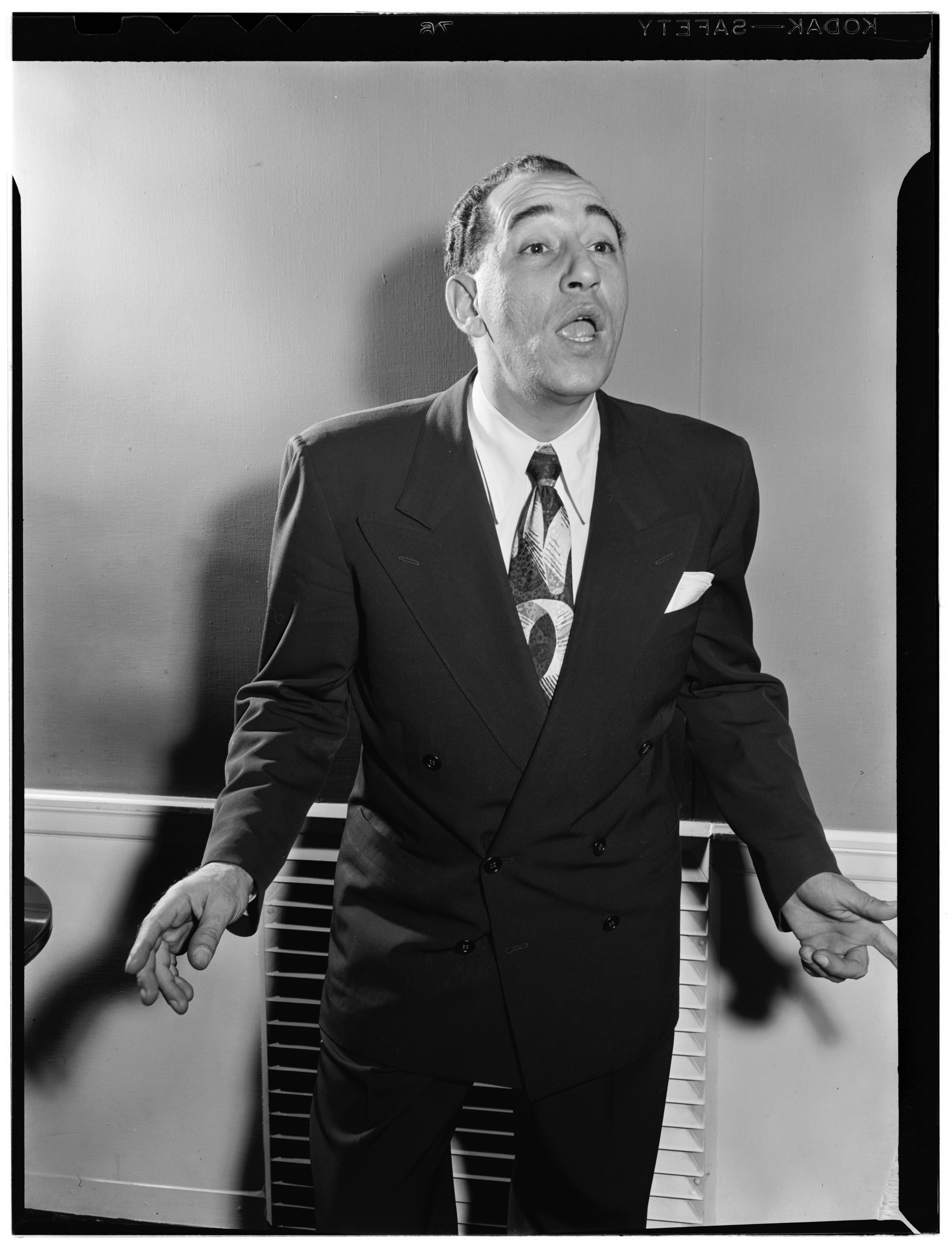
During Mardi Gras in 1934, Guy Lombardo, one of the most popular bandleaders in America, wandered into a nearly empty club on Bourbon Street. The place was the Shim Sham, run by a New Orleans cornetist named Leon Prima. The trumpet player on the bandstand was Leon’s younger brother, Louis, and Lombardo couldn’t believe nobody was listening.
Lombardo pushed him to try New York. When Prima got there, one club owner, Eddie Davis, backed out of a booking. Davis had taken Prima, with his olive skin and tight curly hair, for a Black man, and worried that a Black bandleader would scare off his customers, according to the historian Gregory Theriot. A story about union rules served as the cover. Lombardo found Prima another stage at the Famous Door, and he quickly became a sensation.
That episode holds much of Louis Prima’s story. He belonged to two worlds that segregated America insisted on keeping apart, and he turned the space between them into some of the most joyful music of the 20th century.
Little Palermo
Louis Leo Prima was born on Dec. 7, 1910, in New Orleans. His father, Anthony, was the son of Leonardo Di Prima, an immigrant from Salaparuta in western Sicily. His mother, Angelina Caravella, had come over as a baby from Ustica, a small island off Sicily’s northern coast. The family lived at 1812 St. Peter Street, at the edge of the lower French Quarter, which had become a Sicilian enclave locals called Little Palermo. It was the same community that, in 1891, watched 11 Italian men lynched by a mob after the killing of the city’s police chief.
Angelina insisted that each of her children learn an instrument, and Louis started on violin. As a teenager he switched to the horn, learning by listening to Leon practice with Black and white musicians. He fell for jazz hearing Black players, Louis Armstrong among them, and watching Italian and Black musicians share bandstands in the neighborhood’s Italian clubs. In New Orleans, Sicilians were often treated as not quite white, and many lived and worked alongside Black and Creole neighbors. Prima absorbed all of it.
Sing, Sing, Sing
By the mid-1930s Prima was a national name. “The Lady in Red,” recorded in 1935, was a jukebox hit. In March 1936 he wrote and recorded “Sing, Sing, Sing.” Benny Goodman turned it into the anthem of the swing era and the showstopper of his famous 1938 concert at Carnegie Hall. Plenty of people who know every drum break still have no idea a Sicilian kid from St. Peter Street wrote it.
During World War II, when Italian Americans were viewed with suspicion and hundreds of thousands of Italian immigrants were labeled enemy aliens, Prima did something that took nerve. He recorded songs in Italian and Sicilian-flavored English: “Angelina,” named for his mother, “Please No Squeeza Da Banana,” “Felicia No Capicia.” Some heard them as novelty records. They were also a public refusal to hide where he came from.
More from Amerigo
Latest stories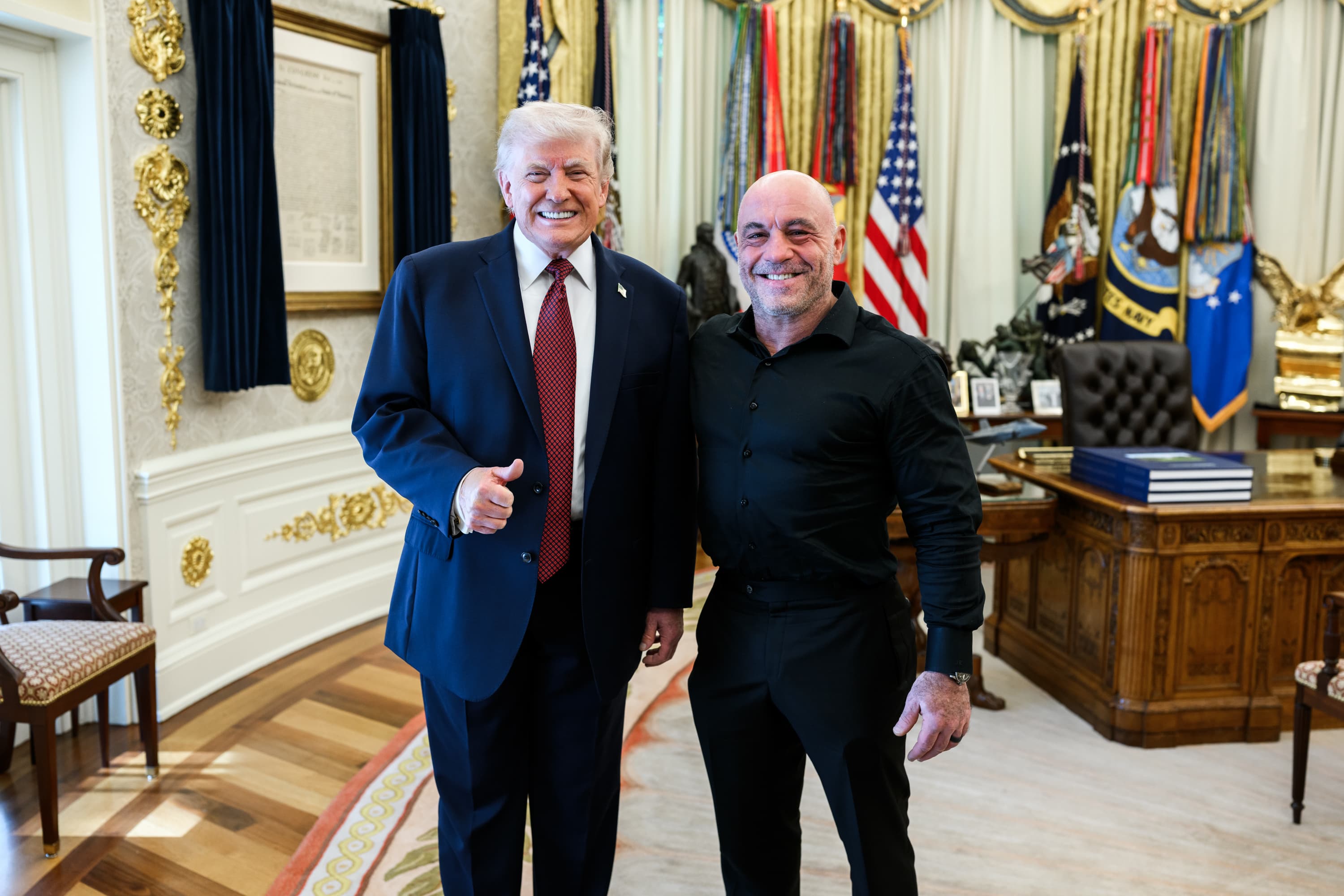
Culture · Media
Joe Rogan Is Still No. 1. He Just Doesn’t Matter the Way He Used To.
Two years after he helped decide the “podcast election,” Rogan still tops every chart. But his criticism of the president barely registers, his rivals have multiplied, and his biggest bookings now look like late-night TV.
Ideas · Satire
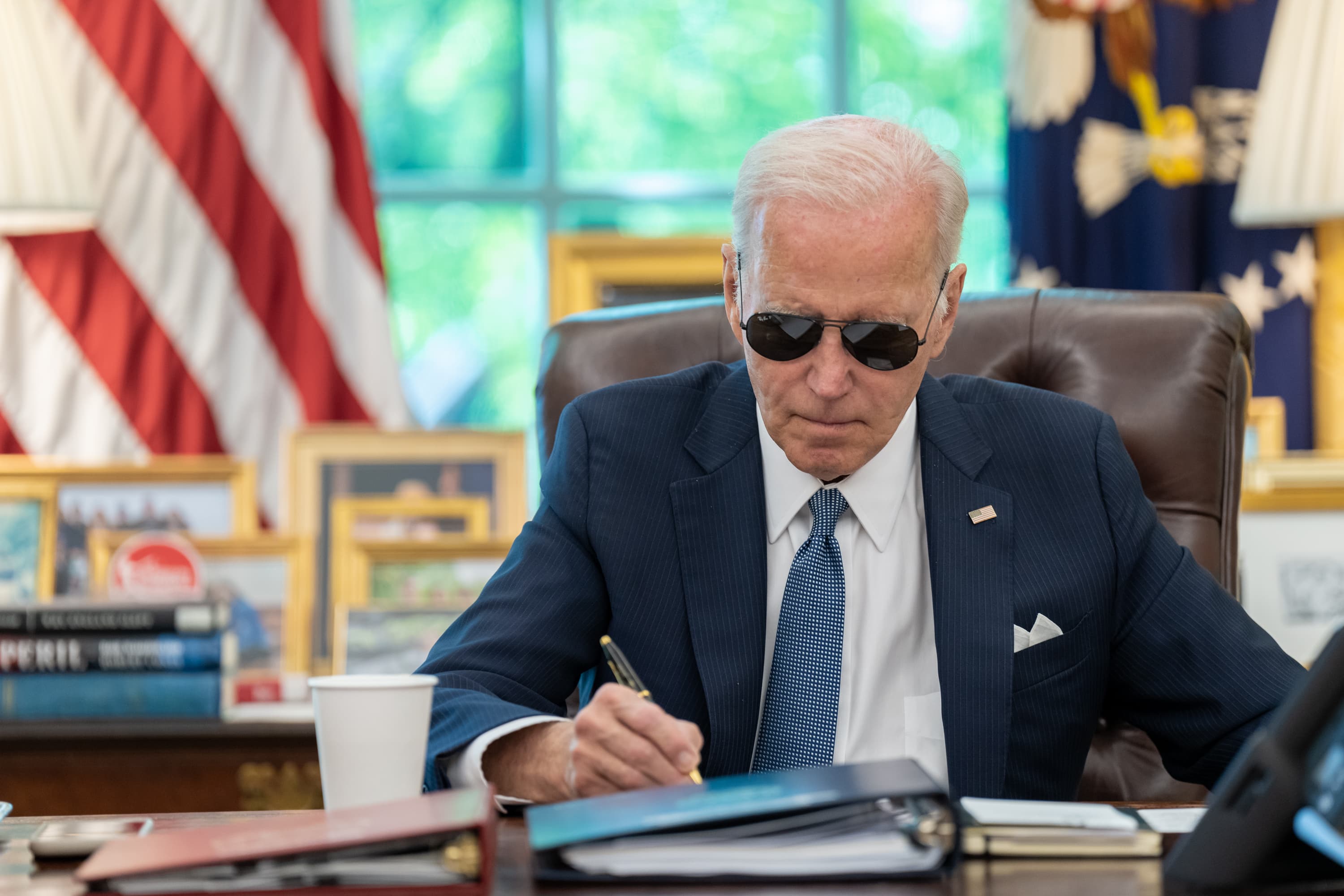
Was Joe Biden Even a Real President? Amerigo’s Least Qualified Reporters Investigate
Four years, one Corvette, an alarming amount of ice cream and not a single pair of eyes we could verify. We followed the aviators wherever they led.
America · South Miami