Enemy Aliens: The Forgotten Wartime Story of Italian America
In 1942, while their sons fought for the United States, some 600,000 Italian immigrants were branded enemy aliens — placed under curfew, forced from their homes and, in some cases, locked away. For decades, almost no one talked about it.

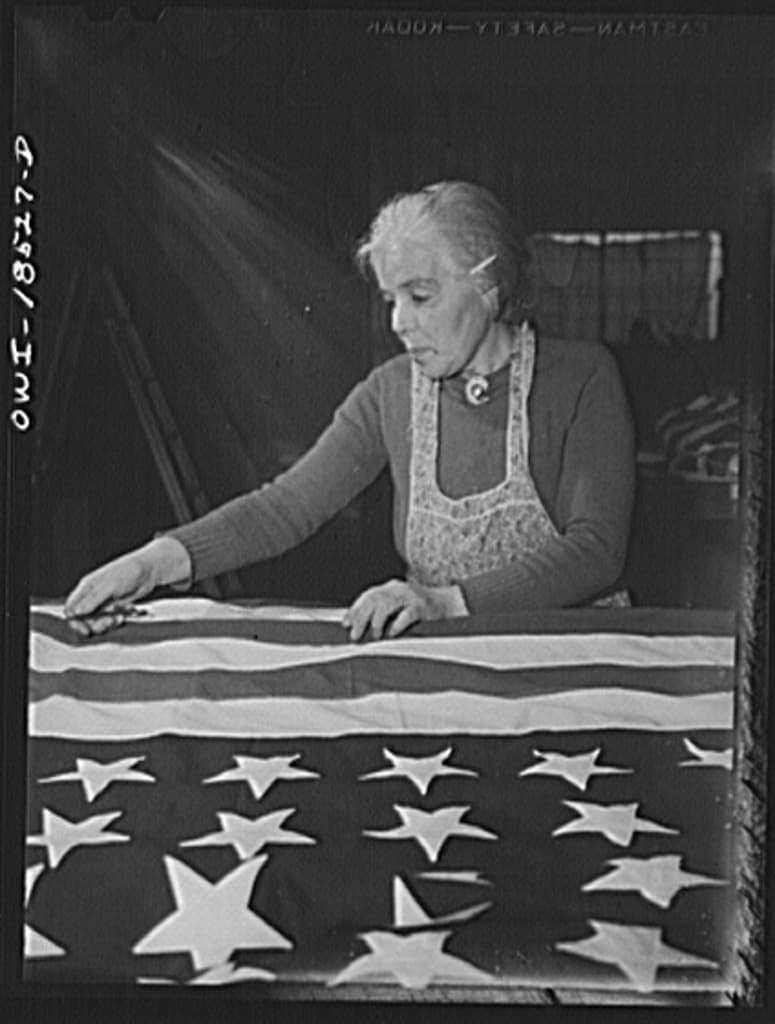
In the spring of 1942, Giuseppe DiMaggio could no longer go to work. The Sicilian-born fisherman had spent decades hauling crab out of San Francisco Bay, and his son Joe was the most famous baseball player in America. But Giuseppe had never become a citizen, and the waterfront at Fisherman’s Wharf had been declared off limits to people like him. He was, in the language of the federal government, an enemy alien.
He was far from alone. After Pearl Harbor, more than 600,000 Italian nationals living in the United States — the largest group of foreign-born residents in the country — were classified as enemy aliens. Most had lived here for decades. Many had children and grandchildren in American uniforms. The story of Japanese American incarceration is, rightly, better known. The story of what happened to Italian Americans was, for half a century, barely told at all.
Booklets, Curfews and Idle Boats
The rules arrived quickly. Italian noncitizens were required to register at their local post office, be fingerprinted and photographed, and carry identification booklets at all times. They had to surrender shortwave radios, cameras, flashlights and firearms. They could not travel more than a few miles from home without permission.
On the West Coast, the restrictions went further. Some 52,000 Italian nationals in California were placed under a curfew that kept them indoors from 8 p.m. to 6 a.m. More than 10,000 were forced to leave homes in zones near the coast, military bases and power plants — grandmothers who had lived in the same Monterey or Pittsburg, California, house for 30 years, packing up and moving inland. Fishing boats owned by Italian families were seized for Navy use or left idle, and whole fleets went quiet.
For some, it went further still. Using lists compiled before the war, federal agents arrested Italian community leaders, newspaper editors, language-school teachers and members of social clubs. Several thousand were taken into custody, and roughly 250 were held for months or years in internment camps in Montana, Texas, Oklahoma and elsewhere. Among them was Ezio Pinza, the celebrated bass of the Metropolitan Opera, who was arrested in 1942 and held on Ellis Island for nearly three months before he was cleared.
Don’t speak the enemy’s language. Speak American.Wartime poster in Italian neighborhoods
Silencing a Language
The damage was not measured only in arrests. Posters in Italian neighborhoods warned residents not to speak “the enemy’s language.” Families who had spoken Italian at the dinner table for generations switched to English, or to silence. Children were told to stop answering their grandparents in dialect. Social clubs closed, Italian-language papers lost readers, and parents gave their American-born kids names that would not draw attention.
More from Amerigo
Latest stories
Culture · Technology
Sam Altman Confronted Over ChatGPT’s Role in Woman’s Suicide Notes
OpenAI CEO pressed during Vanity Fair interview as questions intensify over artificial intelligence, mental health and user safety

Culture
‘Primetime’ Turns Chris Hansen Into the Villain — and Sacrifices Accuracy Along the Way
A24’s Primetime wants audiences to reconsider Chris Hansen and the television phenomenon that made him famous.
Culture
AI Is Changing Hacking — and the Next Cyberattack May Move at Machine Speed
Artificial intelligence is rapidly reshaping cybersecurity, giving defenders powerful new tools while raising fears that hackers could automate parts of attacks that once required significant time and expertise.