Mother Cabrini’s America: The Immigrant Nun Who Built a Country of Refuge
She arrived in New York in 1889 with six sisters, little English and no welcome. By her death, Frances Xavier Cabrini had built dozens of schools, orphanages and hospitals across the Americas — and become the first U.S. citizen named a saint.

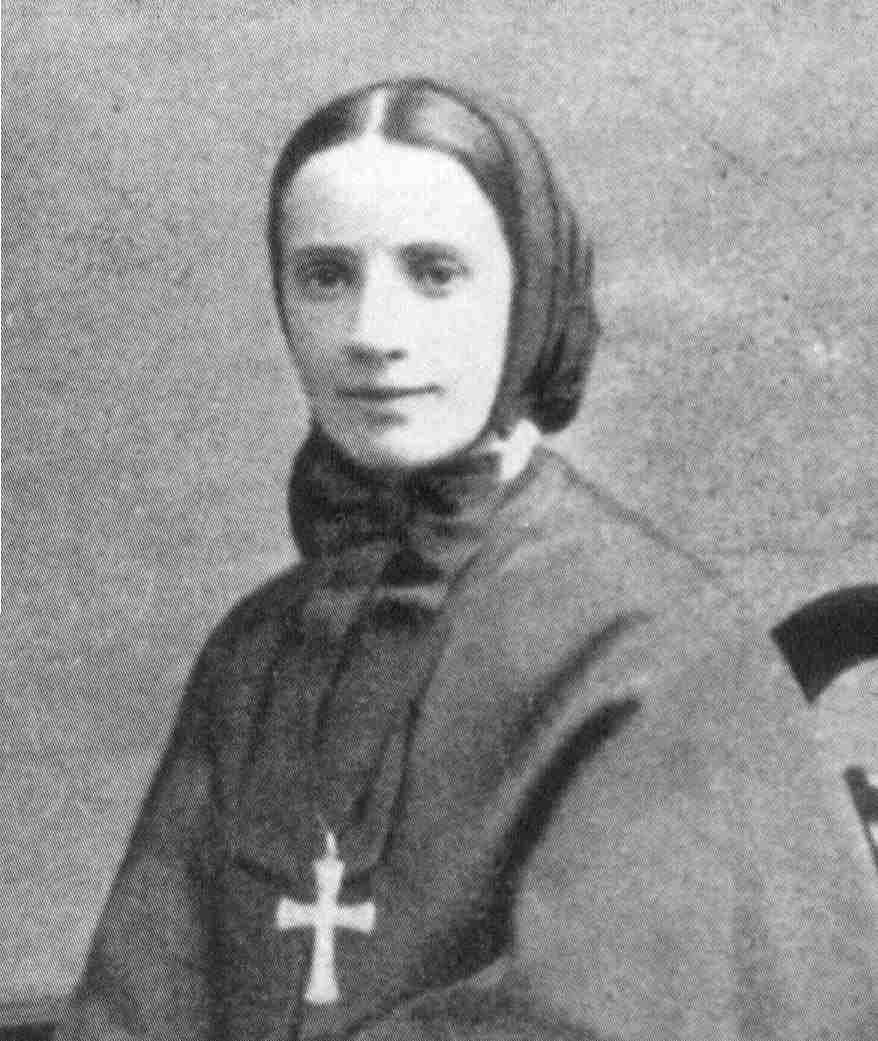
On the last day of March 1889, a slight woman in a black habit stepped off a steamship in New York with six fellow sisters behind her. She was 38 years old, fragile since childhood and, by most accounts, afraid of the water she had just crossed. She spoke almost no English. The archbishop who was meant to receive her suggested, politely, that she get back on the boat.
She stayed. Over the next 28 years, Maria Francesca Cabrini would cross the Atlantic again and again, founding schools, orphanages and hospitals from New York to New Orleans, Chicago to Denver, Seattle to Buenos Aires. By the time she died in 1917, her order counted some 67 institutions on three continents. Three decades later, she became the first citizen of the United States to be declared a saint — an Italian immigrant, canonized as an American.
A Missionary Who Wanted the East
She was born on July 15, 1850, in Sant’Angelo Lodigiano, a farming town in Lombardy, the youngest of 13 children. Small and often sick, she was turned away by more than one religious order that doubted she could survive the life. So she made her own. In 1880, in the nearby town of Codogno, she founded the Missionary Sisters of the Sacred Heart of Jesus, and added “Xavier” to her name in honor of Francis Xavier, the Jesuit who carried the faith to Asia.
Asia was where she meant to go. China, specifically. But Italy in the 1880s was emptying out — hundreds of thousands of people a year, most of them poor and from the South, were boarding ships for the Americas, and the Church back home was hearing alarming reports about what became of them. Bishop Giovanni Battista Scalabrini of Piacenza, who had already organized priests to serve emigrants, urged Cabrini to follow them. When she finally put the question to Pope Leo XIII, his answer settled it: not to the East, but to the West.
Not to the East, but to the West.Pope Leo XIII, directing Cabrini to the Americas
Unwanted in Two Directions
The New York that greeted her had little room for Italians. They crowded the tenements of Mulberry Bend, dug the city’s tunnels, laid its sewers and paved its streets, and were paid less than nearly anyone else for it. Labor bosses known as padroni skimmed their wages. Newspapers described them as criminals and anarchists. Two years after Cabrini landed, a mob in New Orleans dragged eleven Italian men from a jail and lynched them, one of the largest mass lynchings in American history.
Even inside the Church, they were outsiders. American Catholicism was run largely by Irish-born clergy who often regarded the newcomers’ saints, street festivals and spotty Mass attendance with suspicion, and Italian families were sometimes sent to worship in church basements. Archbishop Michael Corrigan told Cabrini the arrangements made for her sisters had fallen through. She refused to leave, found lodging, and within months had opened a school and an orphanage for Italian children.
More from Amerigo
Latest stories
Culture · Technology
Sam Altman Confronted Over ChatGPT’s Role in Woman’s Suicide Notes
OpenAI CEO pressed during Vanity Fair interview as questions intensify over artificial intelligence, mental health and user safety
Culture
‘Primetime’ Turns Chris Hansen Into the Villain — and Sacrifices Accuracy Along the Way
A24’s Primetime wants audiences to reconsider Chris Hansen and the television phenomenon that made him famous.

Culture
AI Is Changing Hacking — and the Next Cyberattack May Move at Machine Speed
Artificial intelligence is rapidly reshaping cybersecurity, giving defenders powerful new tools while raising fears that hackers could automate parts of attacks that once required significant time and expertise.