

‘Primetime’ Turns Chris Hansen Into the Villain — and Sacrifices Accuracy Along the Way
A24’s Primetime wants audiences to reconsider Chris Hansen and the television phenomenon that made him famous.


A24’s Primetime wants audiences to reconsider Chris Hansen and the television phenomenon that made him famous. That is a legitimate subject for a movie. To Catch a Predator raised serious questions about journalism, law enforcement, humiliation as entertainment and the increasingly blurry boundary between reporting crime and producing spectacle.
But Primetime has another problem: in its determination to interrogate Hansen, the film risks replacing scrutiny with caricature.
The movie, directed by Lance Oppenheim and starring Robert Pattinson as Hansen, is a dramatization rather than a documentary. Hansen himself was not involved in its production and has publicly described the film as detached from his actual experience. Reporting about the production also notes that the screenplay drew from a 2007 Esquire investigation rather than Hansen’s own account. (The Washington Post (https://www.washingtonpost.com/style/2026/09/27/primetime-asks-if-chris-hansen-is-predator-hes-sure-his-answer/))
That distinction matters because Primetime uses the appearance of reality while taking considerable dramatic liberties with its central figure.
The Hansen portrayed by Pattinson is frequently presented as vain, obsessive and consumed by television success. The characterization is so pronounced that it can become difficult to separate the historical journalist from the character constructed for the movie.
Hansen has specifically disputed aspects of that portrayal. He objected, for example, to a scene depicting him waking his children to watch his television program and said the suggestion that getting the program into prime time represented some great personal milestone was inaccurate because the program was already airing during prime-time hours. (The Daily Wire (https://www.dailywire.com/news/how-hollywood-turned-the-guy-catching-predators-into-the-villain))
That does not mean Hansen’s version of events should automatically be accepted as definitive. A subject disagreeing with a movie about himself is hardly proof that the filmmakers are wrong. And there are legitimate criticisms to make of both Hansen and To Catch a Predator.
The show’s methods generated controversy precisely because journalism, entertainment and police activity became intertwined. The suicide of Texas prosecutor Bill Conradt during a 2006 operation remains an especially serious part of that history and deserves examination rather than dismissal. (The Washington Post (https://www.washingtonpost.com/style/2026/09/27/primetime-asks-if-chris-hansen-is-predator-hes-sure-his-answer/))
But examining those questions does not require flattening Hansen into a convenient villain.
Even critics of the film have questioned the accuracy of its characterization. San Francisco Chronicle critic Mick LaSalle wrote that Pattinson captures aspects of Hansen’s voice and mannerisms but argued that portraying Hansen essentially as a vain, empty figure was neither fair nor accurate. LaSalle pointed to Hansen’s broader journalism career and concluded that diminishing his intelligence actually weakened the movie’s own argument. (San Francisco Chronicle (https://www.sfchronicle.com/entertainment/movies-tv/article/primetime-review-robert-pattinson-22426526.php))
More from Amerigo
Latest stories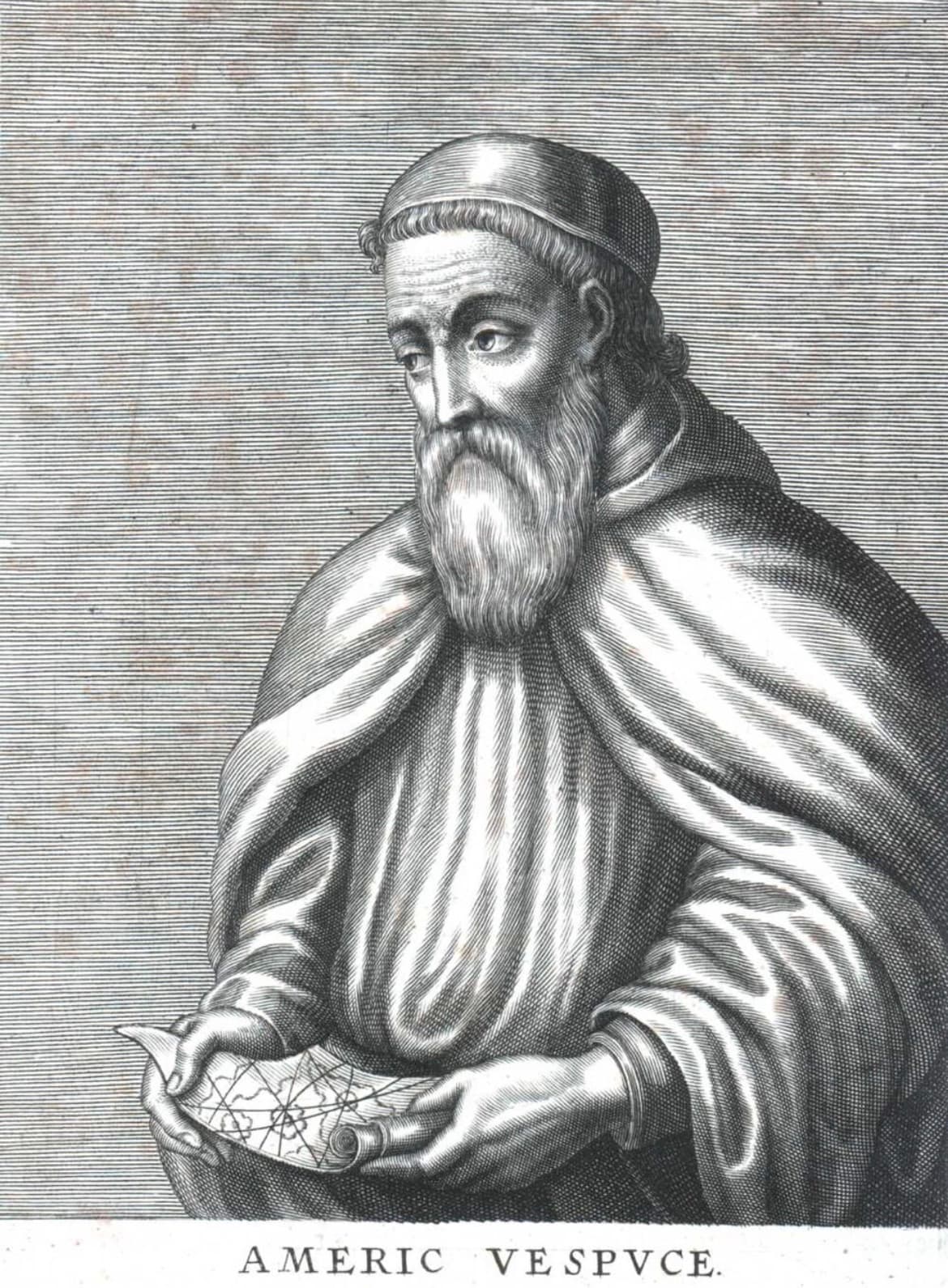
America · History
The Man Who Named a World: Amerigo Vespucci and the Idea of America
He did not discover the New World, and he never asked to have it named after him. But a Florentine merchant’s insistence that the lands across the Atlantic were something entirely new changed how Europe understood the planet.

Music · Music
Rod Stewart Prepares to Leave the Road After a Remarkable Six-Decade Career
After more than six decades of raspy vocals, stadium performances and songs that became fixtures of popular music, Sir Rod Stewart is preparing to say goodbye to life on the road. But the legendary British singer insists he is not finished with music.

World · Religion
From Chicago to Paris: Pope Leo XIV Draws 800,000 to the Heart of France
The first American pope, born Robert Prevost in Chicago, drew one of the largest crowds of his papacy to the Champs-Élysées for an open-air Mass—in one of Europe’s most secular countries.