

The World Before Processed Foods: Seasons, Sweat, and Real Sustenance
For the vast majority of human history—roughly 99% of it—people ate what nature provided, when it provided it.

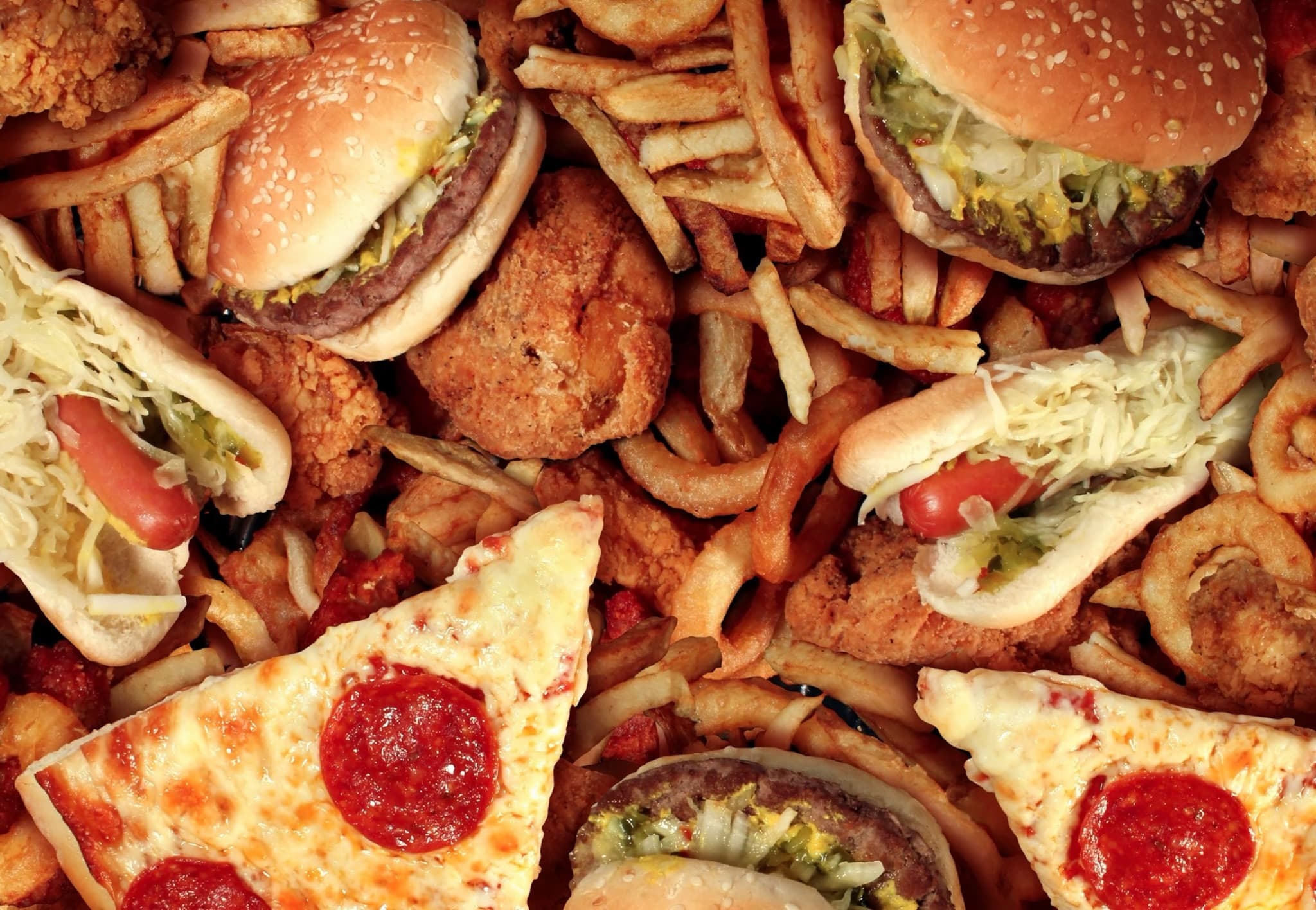
For the vast majority of human history—roughly 99% of it—people ate what nature provided, when it provided it. There were no packaged snacks, frozen dinners, or ingredient lists longer than a sonnet. Food was hunted, gathered, fished, farmed, or foraged. It was seasonal, local, and often required significant effort to obtain, prepare, and preserve. This pre-industrial world shaped human biology, culture, and daily rhythms in ways that feel utterly foreign in our era of ultra-processed abundance.
Hunter-Gatherers: The Original Varied Diet
Until agriculture emerged around 10,000–12,000 years ago, humans were hunter-gatherers. Diets varied enormously by region and season but generally emphasized a wide array of plants (fruits, nuts, seeds, tubers, leaves, and flowers), supplemented by meat, fish, insects, and eggs. Studies of modern hunter-gatherer groups and archaeological evidence show diets rich in fiber, micronutrients, and diverse phytochemicals, with no refined sugars or industrial oils.
Meat was prized but not necessarily dominant everywhere; plant foods often formed the bulk. Cooking—mastered hundreds of thousands of years ago—made foods more digestible and safer. Meals were communal, tied to survival, and free of the constant snacking that defines modern life. Feasts followed successful hunts, while lean times meant fasting or foraging creatively.
The Agricultural Shift and Traditional Foods
With farming came grains (wheat, barley, rice, maize), legumes, dairy from domesticated animals, and more predictable surpluses. Yet food remained minimally processed by today’s standards: whole grains ground by hand or stone, vegetables eaten fresh or stored, animals slaughtered locally. Bread, porridge, stews, and fermented foods (sauerkraut, kimchi-like preparations, yogurt, beer) were staples.
People ate with the seasons. No winter strawberries or year-round lettuce—spring greens, summer fruits, fall roots, and preserved winter stores. Markets and village life revolved around fresh produce and livestock. Home cooking was the norm, using basic techniques: roasting, boiling, stewing. Spices and herbs flavored what was available, not engineered flavor packets.
Preservation Without Factories
Before refrigeration (widespread only in the 20th century), survival depended on ingenuity:
• Drying: Sun, wind, or fire turned fruits, meats, and grains into lightweight stores.
• Salting and Brining: Drew out moisture to inhibit bacteria; essential for pork, fish, and vegetables.
• Smoking: Added flavor and preservation via creosote compounds.
• Fermenting and Pickling: Lacto-fermentation created probiotic-rich foods like sauerkraut or kimchi; vinegar pickling for others.
• Root Cellars and Cool Storage: Kept produce viable for months.
• Potting and Canning precursors: Sealing cooked meats in fat or early sealed jars.
These methods allowed communities to survive winters and voyages but required skill and labor. Spoilage was a constant risk, as were foodborne illnesses from improper handling.
Daily Life and Labor
Obtaining and preparing food consumed much of the day. Farming, hunting, milling grain, churning butter, baking bread, tending gardens—these were not hobbies but necessities. Families and communities worked together. Children learned food skills early. Physical activity was baked into life, balancing calorie intake more naturally than today’s sedentary patterns.
Socially, meals reinforced bonds. Feasts marked harvests or hunts; daily eating was simpler. There was little distinction between “food” and “medicine”—many plants served both roles.
Health Realities: Pros, Cons, and Context
Pre-industrial diets often protected against modern chronic diseases like obesity, type 2 diabetes, and heart disease at scale, thanks to high fiber, nutrient density, and low refined carbs. Hunter-gatherers and many traditional societies showed remarkable metabolic health.
Yet life was no paradise. Seasonal scarcity led to malnutrition or starvation. Parasites, contaminated water, and spoiled food caused frequent illness. Life expectancy was lower, partly due to infection and injury rather than diet alone. Agricultural diets sometimes narrowed variety, leading to deficiencies (e.g., pellagra from corn-heavy diets without nixtamalization). Dental issues from grains and physical wear from tough foods were common.
The Turning Point: Industrialization
The 19th century brought canning (early 1800s), refrigeration, factories, and chemical additives. By the early 20th century, supermarkets, sliced bread, boxed cereals, and convenience foods transformed eating. What began as useful preservation and fortification (e.g., against deficiencies) evolved into hyper-palatable, shelf-stable products engineered for profit.
The world before processed foods was harder, more uncertain, and deeply connected to nature’s cycles. It demanded physical effort, knowledge of the land, and respect for seasons. In exchange, it offered foods in their most recognizable forms—nutrient-dense, varied, and tied to place and community. While we’ve gained safety, variety, and convenience, many now yearn for that lost connection. Understanding our culinary past highlights why whole, minimally handled foods remain foundational to health—and why recapturing elements of that older world might be one prescription for today’s dietary challenges.
More from Amerigo
Latest storiesAmerica · The Day in America
Chaos, Cash, and Cruise Missiles – America’s Wild Wednesday
In the grand American tradition of never doing anything halfway, Wednesday, June 10, 2026, delivered a perfect storm of geopolitical fireworks, pocketbook panic, border politics, billionaire drama, and basketball bedlam.
Music · New Music
Toni Todaro Finds Liberation on “Libertad”
For Toni Todaro, “Libertad” is more than the title of a new single pack. It is a declaration of arrival.

Interviews · The Amerigo Interview
Blood On Blonde - Amerigo Interviews
Blood On Blonde in conversation with Amerigo Magazine. Listen to the full interview.