Sicily on Seventh Avenue: The Italian Cigar Workers Who Helped Build Ybor City
In the late 1800s, Sicilian immigrants joined Cubans and Spaniards in Tampa's cigar district. They rolled tobacco, organized unions and built a mutual aid society whose red-brick clubhouse still stands.

Long before Florida meant retirees and theme parks, one corner of Tampa sounded like a crossroads of the Mediterranean and the Caribbean. On the brick streets of Ybor City, you could hear Cuban Spanish, Castilian, and the dialects of a handful of hill towns in western Sicily, often in the same factory, on the same afternoon.
The neighborhood was the creation of Vicente Martinez Ybor, a Spanish-born cigar manufacturer who moved his operation from Key West to a patch of scrubland east of Tampa in 1886. Other manufacturers followed, and within a few years Ybor City was turning out millions of hand-rolled cigars and drawing workers from across the Spanish-speaking world.
The Italians came a little later, and mostly from one place. Historians have traced much of Tampa's Italian community to a cluster of small towns in Sicily's Agrigento province, among them Santo Stefano Quisquina, Alessandria della Rocca, Bivona and Cianciana. Many had first tried their luck elsewhere in the American South, cutting cane on sugar plantations, before word spread that the cigar factories in Tampa were hiring.
They arrived as outsiders in an industry dominated by Cuban and Spanish craftsmen. Many started at the bottom, stripping tobacco leaves or running small groceries, bakeries and boarding houses that fed the factories. Over time, they worked their way onto the rolling floor and into the life of the neighborhood.
A club of their own
Ybor City's immigrants did not wait for anyone to take care of them. Each community built its own mutual aid society, a combination of social club, insurance plan and safety net. The Spaniards had the Centro Español and the Centro Asturiano. The Cubans had the Círculo Cubano. In 1894, the Italians founded L'Unione Italiana, the Italian Club, with 107 members and Bartolomeo Filogamo as its first president.
For a small monthly due, members received sick and death benefits, and the club kept its own cemetery so that no member would be buried a stranger. By 1935, membership had grown to more than 3,000. The club's first permanent home, completed in 1911, burned in 1914. Its replacement, a three-story Renaissance Revival building designed by Tampa architect M. Leo Elliott, opened on Seventh Avenue in 1918 and is still there today, its Corinthian columns and red brick a landmark of the historic district.
The reader and the strike
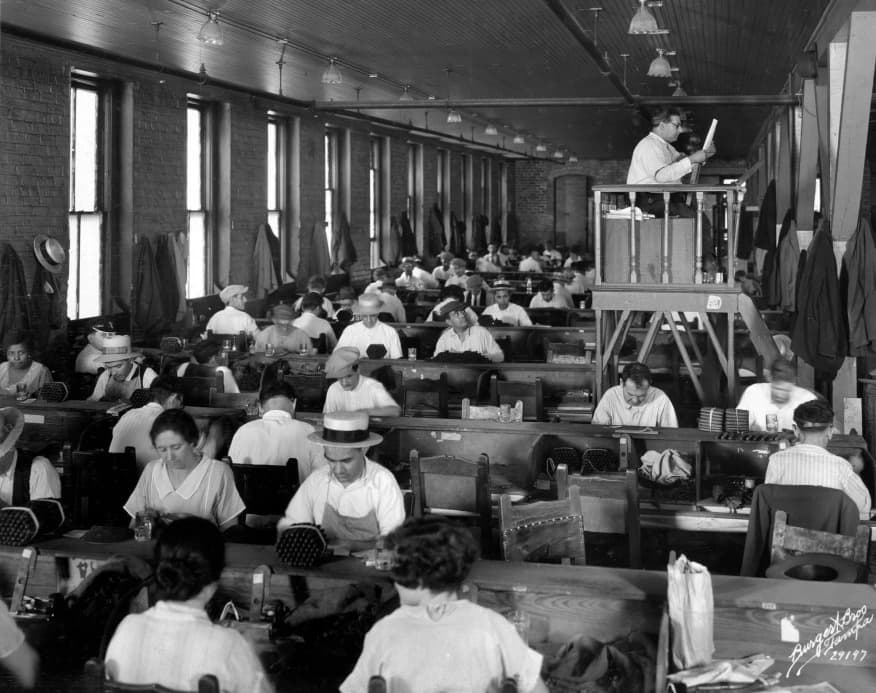
Inside the factories, one tradition shaped the politics of everyone on the floor: the lector. Workers pooled their money to pay a reader who sat on a raised platform and read aloud for hours, newspapers in the morning, novels and political tracts in the afternoon. Italian workers absorbed the same radical ideas as their Cuban and Spanish neighbors, and Ybor City became one of the most union-minded places in the South.
More from Amerigo
Latest stories
America · Miami
Uber Eats Driver Shot Outside Dadeland Luxury Apartments; Deputies Say Suspect's Home Held a Drug Packaging Room
A delivery driver who came back hoping to get a woman's number was shot and pistol-whipped in Kendall early Monday, authorities say. The 33-year-old suspect now faces an attempted murder charge and a stack of drug trafficking counts.
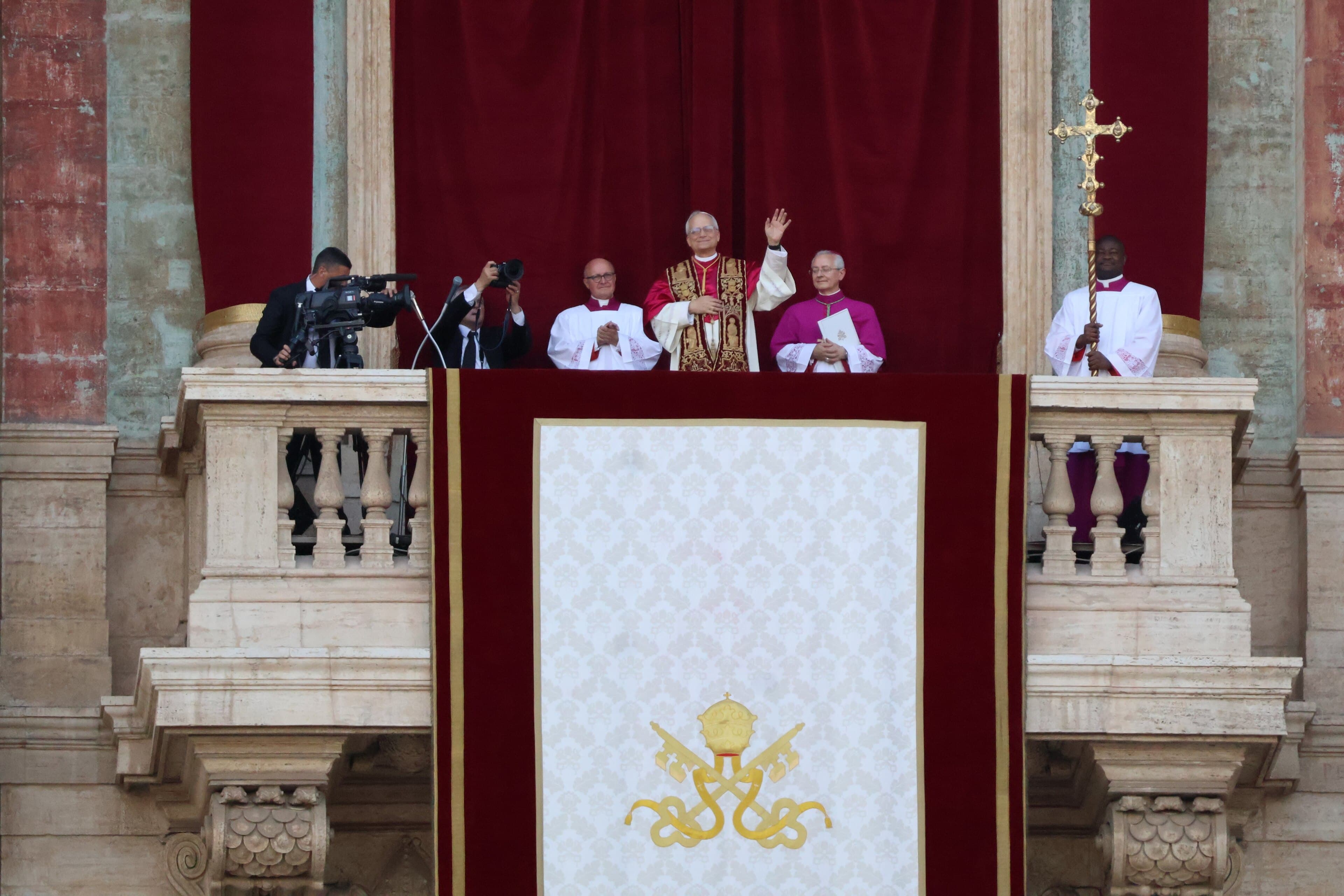
World · Vatican
Pope Leo XIV Recovering After Lung Cancer Surgery, Vatican Says
Doctors at Rome's Gemelli Hospital removed the lower lobe of the pope's right lung on Tuesday and confirmed adenocarcinoma. A day later, the Vatican says he is walking, eating and recovering normally.

Film · Obituary