
The Hidden Celtic Threads: Irish Influence on the Blues
The blues is quintessentially American—an African American creation born from the pain of slavery, sharecropping, and the Mississippi Delta, with roots in field hollers, spirituals, work songs, and West African rhythms.

The blues is quintessentially American—an African American creation born from the pain of slavery, sharecropping, and the Mississippi Delta, with roots in field hollers, spirituals, work songs, and West African rhythms. Yet beneath the slide guitar and bent notes lies a subtler layer of influence from Irish and broader Celtic traditions. Through shared hardship, cultural exchange in the American South and Appalachia, instruments like the fiddle, and emotional parallels in lament and storytelling, Irish music helped shape the soil from which blues and related American roots genres grew.
Shared Hardship and Early Encounters
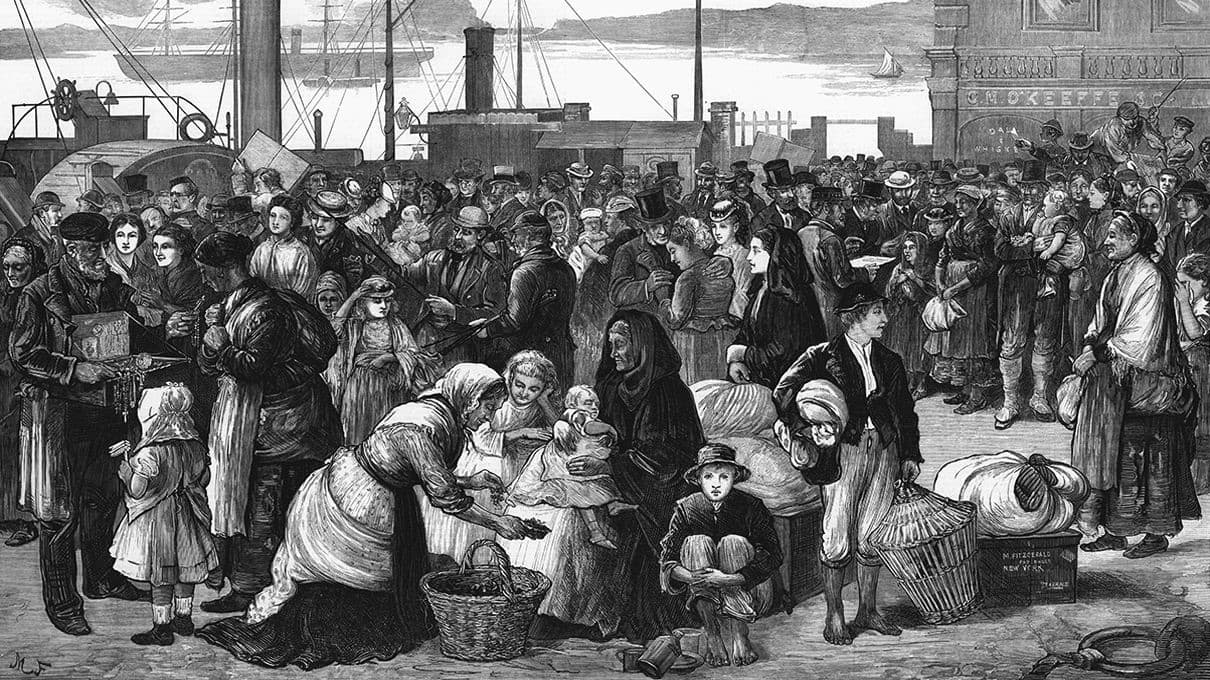
Irish immigrants and enslaved Africans often found themselves in close proximity during the 18th and 19th centuries. Irish indentured servants (sometimes called “Irish slaves” in harsher contexts) worked alongside Black laborers on West Indies plantations and later in the American South. In places like Virginia, New Orleans, and Appalachia, waves of Irish arrivals—fleeing famine, poverty, and British rule—intermingled with African American communities.
This proximity fostered musical cross-pollination. Irish reels, jigs, and ballads met African polyrhythms, banjo (derived from African instruments), and vocal traditions. The result was old-time music, a precursor to bluegrass, country, and elements that fed into early blues. Fiddle-based string bands—common among both Black and white musicians in the 19th century—blended styles in minstrel shows, dances, and rural gatherings. As one observer noted, the “symbiosis” of these bands helped birth blues and country simultaneously before the guitar dominated.
Instruments and Musical Forms
The Irish fiddle stands out as a key vector. Brought by Scots-Irish settlers to Appalachia, it carried dance tunes and expressive techniques that influenced Southern string bands. Blues fiddlers adopted sliding notes, drones, and improvisational flair echoing Irish styles. Pentatonic scales and gapped scales common in Irish traditional music (especially in regions like Clare) parallel blues scales, creating that “bluesy” feel even in Celtic playing.
Ballads and laments provided another bridge. Irish folk songs often recount loss, exile, and longing in minor keys or modal structures—mirroring the emotional depth of blues. Both traditions use music as catharsis: field hollers and talking blues echo the narrative drive of Irish storytelling. Work songs on levees, railroads, and fields evolved from these blended experiences, feeding directly into Delta blues.
The Broader Roots Ecosystem
Blues didn’t emerge in isolation. It developed alongside country and bluegrass in a shared American roots ecosystem heavily shaped by Celtic input. Scots-Irish heritage appears in figures like Bill Monroe (bluegrass pioneer), whose fiddle tunes and mournful ballads drew from Irish/Scottish sources while incorporating blues. Many bluegrass standards trace melodies to Irish or Scottish origins.
More from Amerigo
Latest stories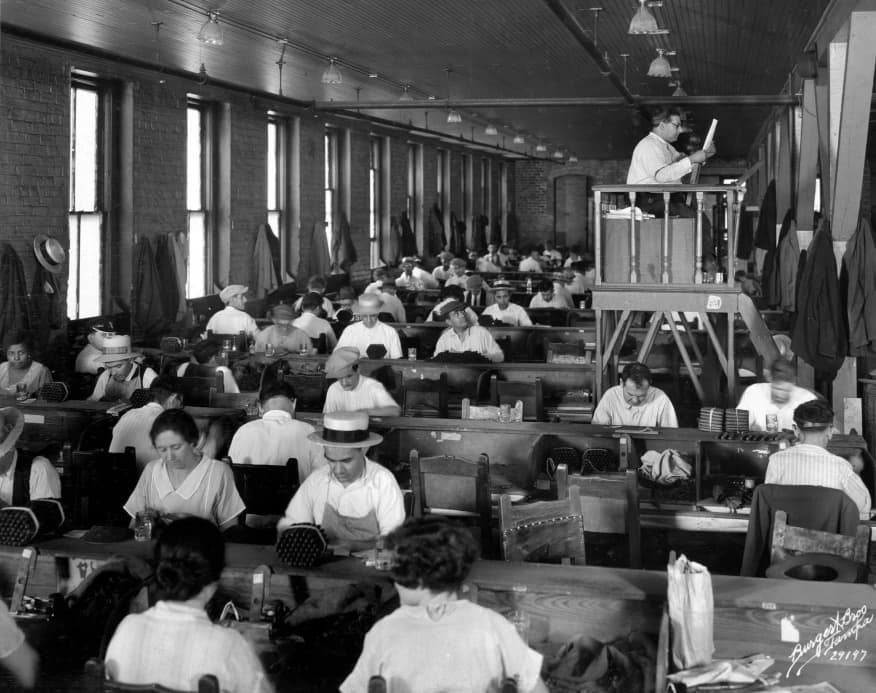
America · History
Sicily on Seventh Avenue: The Italian Cigar Workers Who Helped Build Ybor City
In the late 1800s, Sicilian immigrants joined Cubans and Spaniards in Tampa's cigar district. They rolled tobacco, organized unions and built a mutual aid society whose red-brick clubhouse still stands.

America · Miami
Uber Eats Driver Shot Outside Dadeland Luxury Apartments; Deputies Say Suspect's Home Held a Drug Packaging Room
A delivery driver who came back hoping to get a woman's number was shot and pistol-whipped in Kendall early Monday, authorities say. The 33-year-old suspect now faces an attempted murder charge and a stack of drug trafficking counts.

World · Vatican