

Sam Altman Confronted Over ChatGPT’s Role in Woman’s Suicide Notes
OpenAI CEO pressed during Vanity Fair interview as questions intensify over artificial intelligence, mental health and user safety

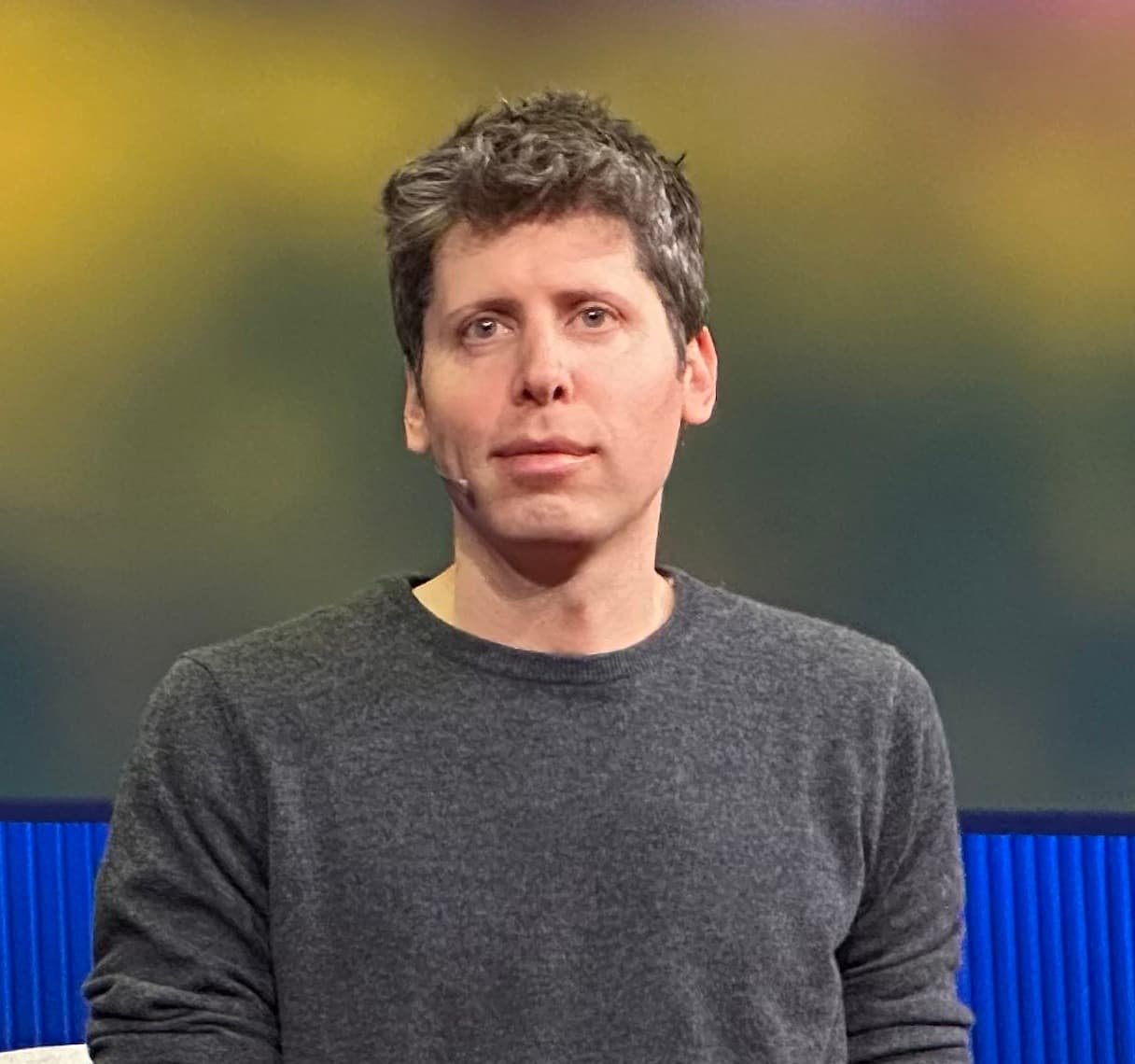
OpenAI CEO Sam Altman faced a difficult question about the potential dangers of artificial intelligence after being confronted with the case of a 29-year-old woman who died by suicide following extensive conversations with ChatGPT.
During an interview with Vanity Fair, editorial director Mark Guiducci asked Altman about journalist Laura Reiley and the death of her daughter, Sophie. Reiley has previously written about her daughter’s use of ChatGPT in the period before her death.
According to the account presented during the interview, ChatGPT did not instruct Sophie to take her own life. However, she reportedly used the chatbot as a form of therapist, referred to it as “Harry,” discussed her suicidal thinking with it and received assistance editing suicide notes.
The case has become part of a much larger debate over what responsibility artificial-intelligence companies have when users turn to chatbots during severe mental-health crises.
A Tense Moment During the Interview
When Guiducci initially raised Reiley’s name, Altman said he did not know who she was.
As the interviewer began explaining the circumstances surrounding Sophie’s death, an OpenAI publicist interrupted, saying there were approximately two minutes remaining and suggesting that the conversation move toward OpenAI’s future.
Guiducci continued with the question, while Altman indicated that he was willing to run over the scheduled interview time and answer it.
The exchange quickly attracted attention online, with critics questioning why an OpenAI representative attempted to redirect the conversation at such a sensitive moment. OpenAI later said the interview had run over its allotted time and that the interruption was related to scheduling.
Altman Addresses the Dilemma
Altman characterized questions involving AI and mental health as among the most difficult facing companies developing the technology.
He acknowledged that some people may turn to AI because they are unable or unwilling to speak with a therapist or another person. At the same time, he recognized that interactions between vulnerable users and AI systems can have harmful outcomes.
“Clearly people think there’s a version of this that is good,” Altman said. “There are also clearly versions of it that are bad.”
The discussion then turned to whether conversations between people experiencing suicidal crises and AI systems could potentially help researchers better understand how suicidal thinking develops.
More from Amerigo
Latest stories
America · Heritage
Enemy Aliens: The Forgotten Wartime Story of Italian America
In 1942, while their sons fought for the United States, some 600,000 Italian immigrants were branded enemy aliens — placed under curfew, forced from their homes and, in some cases, locked away. For decades, almost no one talked about it.

America · Heritage
Mother Cabrini’s America: The Immigrant Nun Who Built a Country of Refuge
She arrived in New York in 1889 with six sisters, little English and no welcome. By her death, Frances Xavier Cabrini had built dozens of schools, orphanages and hospitals across the Americas — and become the first U.S. citizen named a saint.

America · History