The Little Flower: How Fiorello La Guardia Went From Ellis Island to City Hall
The son of an Italian bandmaster and a Jewish mother from Trieste, he translated for frightened immigrants at Ellis Island, then spent three terms remaking New York as one of the most beloved mayors in American history.

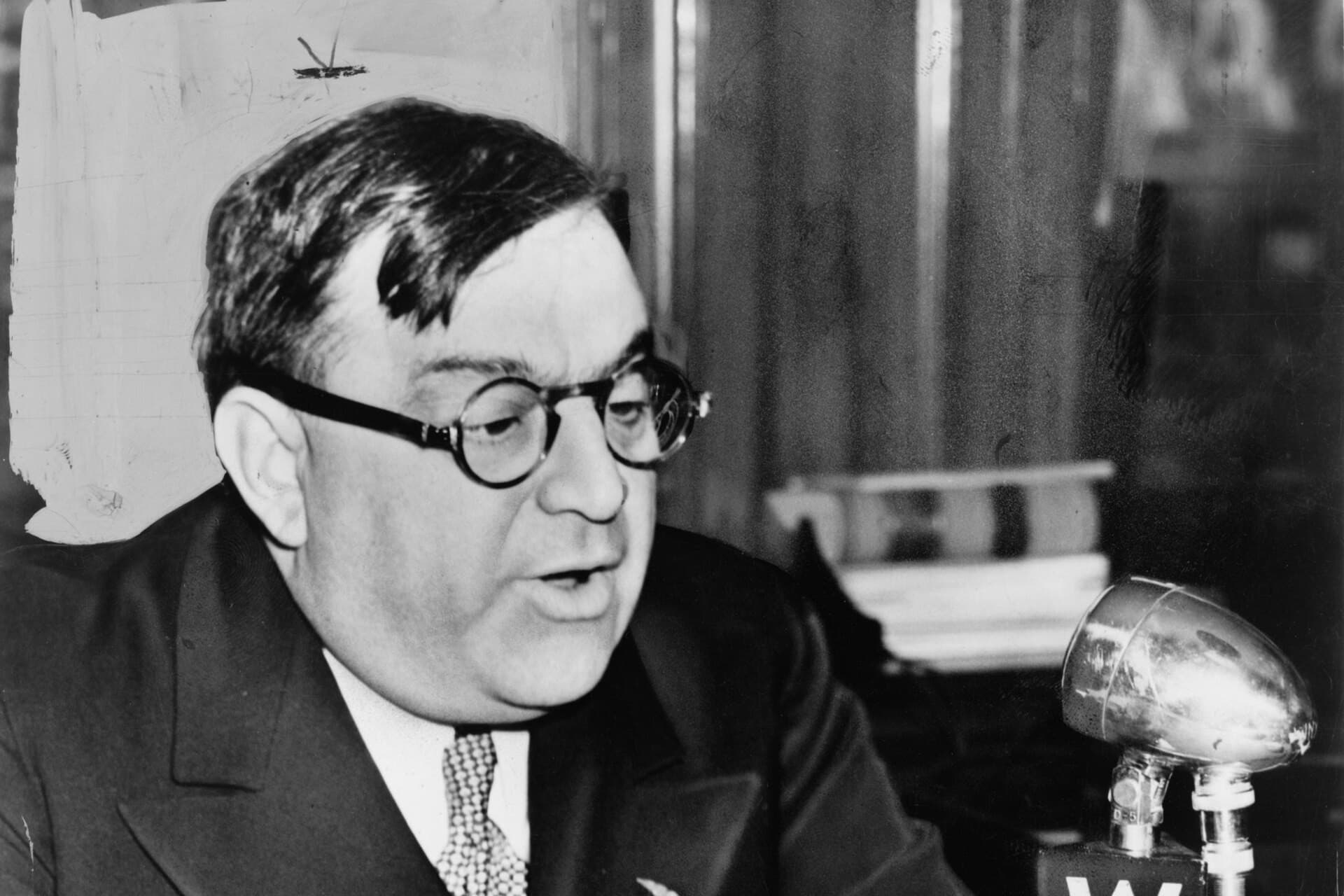
In July 1945, a strike by newspaper delivery workers left New York City without its daily papers. Children were missing the funnies. So the mayor went on the radio and read them aloud himself, acting out Dick Tracy for listeners across the five boroughs in a high, excitable voice.
It was a very Fiorello La Guardia thing to do: theatrical, a little ridiculous and aimed squarely at ordinary New Yorkers. By then he had been mayor for more than eleven years, and the city knew him by his nickname, a translation of his first name: the Little Flower.
A Village Kid Raised in the West
La Guardia was born in Greenwich Village on December 11, 1882. His father, Achille, was a musician from the southern Italian region of Apulia; his mother, Irene Coen, came from a Jewish family in Trieste. When Achille became a bandmaster in the U.S. Army, the family followed him west, and Fiorello spent much of his boyhood at army posts in Arizona.
That upbringing gave him an unusual mix of roots: an Italian father, a Jewish mother, an Episcopalian upbringing and a frontier childhood that made him American to the bone. It also gave him an ear for languages. As a young man he worked for U.S. consulates in Budapest, Trieste and Fiume, and he would eventually speak Italian, German, Yiddish and Croatian, among others.
The Interpreter at Ellis Island
Back in New York, La Guardia took a job as an interpreter at Ellis Island while studying law at night at New York University. For several years, he stood between exhausted new arrivals and the officials who decided their fate.
The work marked him. In his memoir, he wrote of the immigrants turned away for illness or technicalities, families separated at the end of a long journey, and how he never got used to it. Many of those he translated for were Italians, people who looked and sounded like his own relatives.
After earning his law degree in 1910, he built a practice representing immigrants and garment workers, the people he had met on the island and in the tenements of lower Manhattan.
Pilot, Congressman, Insurgent
In 1916, running as a Republican in a Democratic city, La Guardia won a seat in Congress representing lower Manhattan. When the United States entered World War I, he left to fly bombers for the Army Air Service on the Italian front, coming home a major and a hero to his Italian American constituents.
He returned to Congress in the 1920s representing East Harlem, then home to one of the largest Italian communities in the country. He was a Republican in name and a progressive in practice, voting against Prohibition, fighting restrictive immigration quotas and co-sponsoring the Norris–La Guardia Act of 1932, which limited the use of court injunctions to break strikes.
More from Amerigo
Latest stories
Film · Box Office
Tom Cruise’s ‘Digger’ Opens to $8 Million, His Worst Start in Nearly Two Decades
Alejandro G. Iñárritu’s oil-tycoon satire split critics down the middle, and audiences mostly stayed home. It’s a costly goodbye for Warner Bros. as an independent studio.
America · Miami
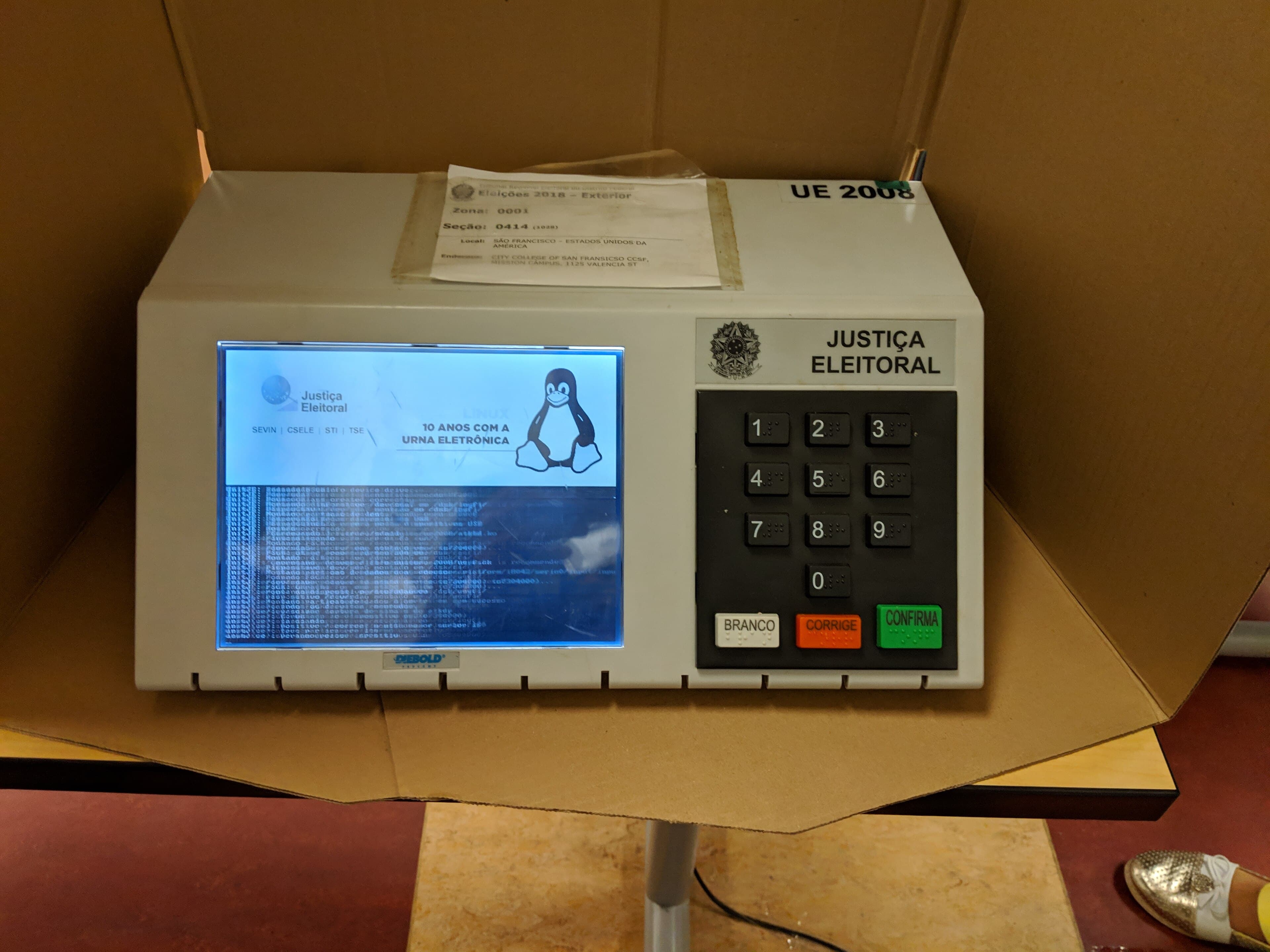
Man in Fake ICE Gear Arrested at Kendall Polling Site During Brazil’s Presidential Vote
Police say a Port St. Lucie man in a costume raid jacket frightened Brazilian expatriates casting ballots at Miami Dade College. He says he wanted to see their reactions. Miami-Dade’s elections chief says ICE will not be at the polls in November.
America · Public Health