

Dengue Reaches Broward as Florida’s Outbreak Becomes the Mainland’s Largest in Decades
With Tampa Bay at the center and new cases popping up from Miami-Dade to Fort Lauderdale, South Florida health officials are urging residents to drain standing water and cover up before the rainy season ends.

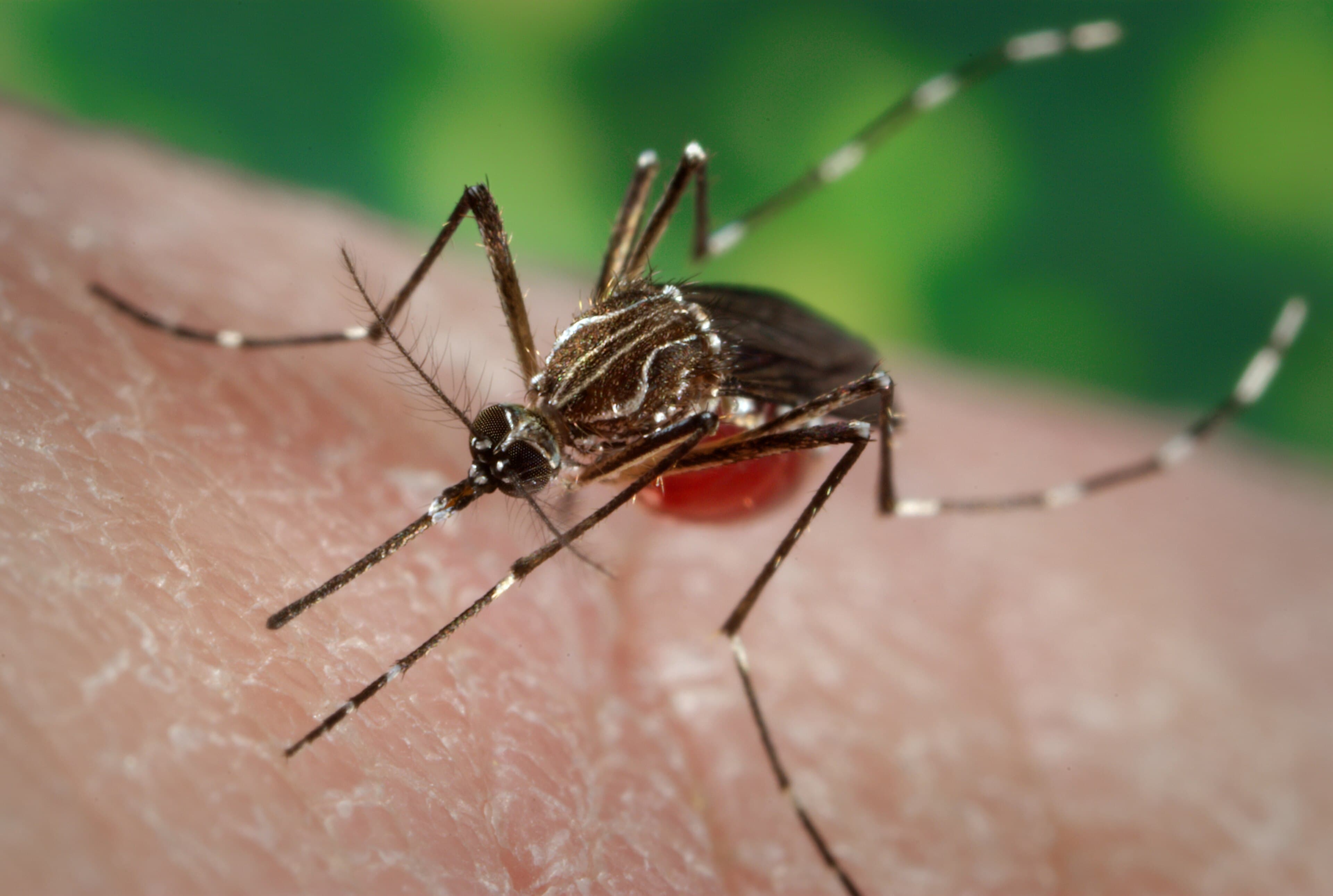
Broward County has confirmed its first locally acquired case of dengue fever this year, health officials said Tuesday, making it the eighth Florida county touched by what health officials describe as the largest dengue outbreak in the continental United States in decades.
The Florida Department of Health in Broward County issued a mosquito-borne illness advisory after the case was confirmed, joining Miami-Dade and Palm Beach counties in a South Florida corridor where the virus is now spreading person to mosquito to person — not just arriving with travelers.
Florida has reported 485 dengue cases to the Centers for Disease Control and Prevention so far in 2026, including travel-related infections — by far the most of any state. California, a distant second, has 45.
Tampa Bay at the Center
The heart of the outbreak is not Miami but Tampa. As of late September, the state had logged 252 locally acquired cases since July, and Hillsborough County accounted for about 90 percent of them, with 223. Neighboring Pinellas had 13 and Pasco three. Hillsborough declared a local state of emergency on Sept. 24 and has been running aerial mosquito treatments over affected neighborhoods.
Nearly every case that has been genetically typed is DENV-2, one of dengue’s four serotypes. One person in Florida has died of dengue this year.
South Florida on Alert
Miami-Dade has seen slower spread, with eight locally acquired cases reported by late September. The county’s health department issued its first mosquito-borne illness alert of the season on Aug. 3, after a single local case was confirmed. Palm Beach County has reported three, and Orange and Polk counties have each confirmed isolated cases.
Those numbers almost certainly understate the problem. The CDC estimates only about one in four people infected with dengue develop symptoms, and many who do never get tested. In Florida, where most dengue has historically been linked to travel, doctors may not think to test a feverish patient who has not left the state.
The virus is carried by the Aedes aegypti mosquito, a daytime biter that thrives in the flowerpots, gutters, bottle caps and buckets of urban neighborhoods — which makes dense, wet, warm South Florida close to ideal habitat. Dengue does not spread directly from person to person.
What to Watch For
Symptoms usually appear within two weeks of an infected bite and look like a bad flu: high fever, severe muscle and joint pain, headache and sometimes a rash. Health officials warn that the most dangerous stage can begin a day or two after the fever breaks, with warning signs that include stomach pain, repeated vomiting and bleeding from the gums or nose. Anyone with those symptoms should seek care immediately.
More from Amerigo
Latest stories
Film · Box Office
Tom Cruise’s ‘Digger’ Opens to $8 Million, His Worst Start in Nearly Two Decades
Alejandro G. Iñárritu’s oil-tycoon satire split critics down the middle, and audiences mostly stayed home. It’s a costly goodbye for Warner Bros. as an independent studio.

Film · Documentary
Nathan Fielder Moved In With Elizabeth Holmes. ‘You Can See Everything’ Is What Came Out.
Shot in secret over three years, the nearly three-hour A24 documentary from Fielder and Lance Oppenheim follows the Theranos founder through her final weeks of freedom, and into something much stranger.

America · Heritage Month