Eleven Men on Canal Street: The 1891 New Orleans Lynching and the Road to Columbus Day
A mob’s murder of 11 Italian immigrants became one of the darkest chapters in Italian American history — and its diplomatic fallout helped give the country a holiday Italian Americans would claim as their own.

On the night of October 15, 1890, New Orleans police superintendent David Hennessy was ambushed by gunmen a few steps from his home. He died the next morning. Before he did, according to the story that raced through the city, he answered the question of who had shot him with a single slur: “Dagoes.”
That one word, never verified, was enough. Mayor Joseph Shakspeare told police to scour the neighborhood and arrest every Italian they came across, and officers swept up well over a hundred Sicilian and Italian immigrants in the days that followed.
Nineteen men were eventually indicted in connection with the killing. Nine went to trial first. On March 13, 1891, the jury acquitted six of them and could not reach a verdict on the other three.
A Mob at the Statue
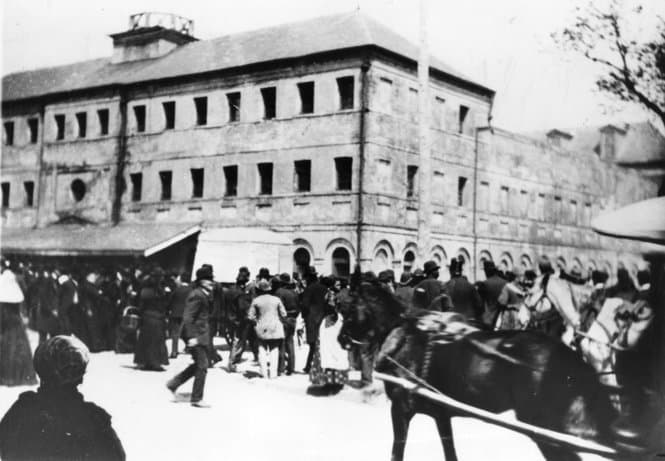
The next morning, local newspapers carried a notice calling citizens to a mass meeting at the statue of Henry Clay on Canal Street. Thousands came. They were led not by drifters but by some of the city’s most prominent men, among them the lawyer William S. Parkerson, who told the crowd that the courts had failed and that the people would have to act.
The crowd marched to Parish Prison, forced its way inside and hunted the Italian prisoners through the building. Eleven men were killed. Two were dragged outside and hanged; the others were shot. Several had just been acquitted. Some had never been tried at all.
Their names were Antonio Bagnetto, James Caruso, Loreto Comitz, Rocco Geraci, Joseph Macheca, Antonio Marchesi, Pietro Monasterio, Emanuele Polizzi, Frank Romero, Antonio Scaffidi and Charles Traina. The killing is often described as the largest mass lynching in American history.
A grand jury later examined the killings. It indicted no one.
“Rather a Good Thing”
Much of the country applauded. Major newspapers, including The New York Times, ran editorials that blamed the dead men rather than the mob. In a letter to his sister, a young Theodore Roosevelt described dining with “various dago diplomats” who were upset about the killings. “Personally I think it rather a good thing,” he wrote, “and said so.”
Coverage of the case also helped bring the word “mafia” into the mainstream American press, attaching a criminal stereotype to Italian immigrants that would follow their children and grandchildren for generations.
A Diplomatic Crisis
Italy saw it differently. Several of the victims were Italian citizens, and Rome demanded that the killers be punished and the families compensated. When Washington replied that it could not interfere with a state matter, Italy recalled its ambassador, Baron Saverio Fava. The United States withdrew its own minister from Rome, and talk of war appeared in newspapers on both sides of the Atlantic.
More from Amerigo
Latest stories
Film · Box Office
Tom Cruise’s ‘Digger’ Opens to $8 Million, His Worst Start in Nearly Two Decades
Alejandro G. Iñárritu’s oil-tycoon satire split critics down the middle, and audiences mostly stayed home. It’s a costly goodbye for Warner Bros. as an independent studio.
America · Miami
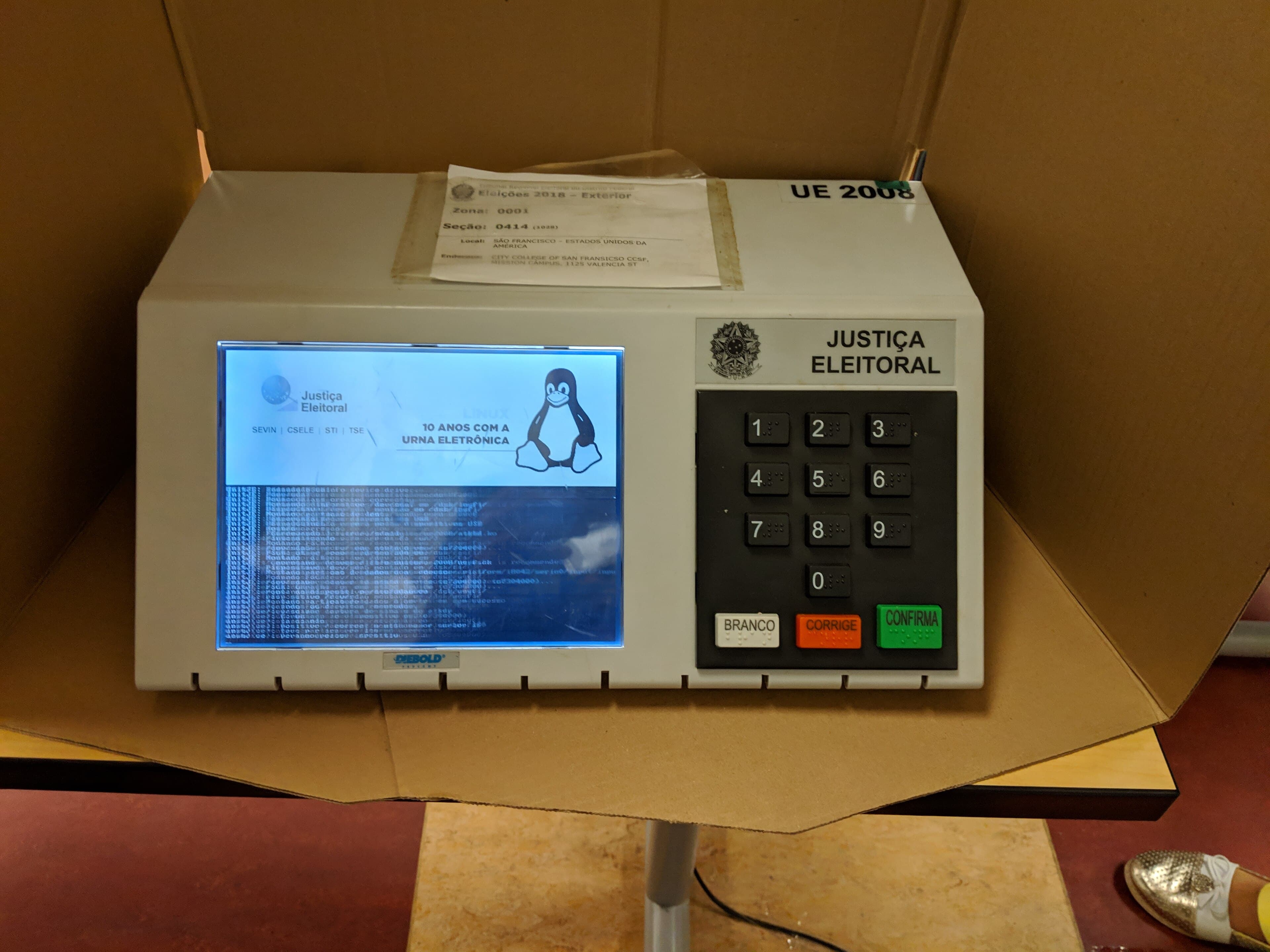
Man in Fake ICE Gear Arrested at Kendall Polling Site During Brazil’s Presidential Vote
Police say a Port St. Lucie man in a costume raid jacket frightened Brazilian expatriates casting ballots at Miami Dade College. He says he wanted to see their reactions. Miami-Dade’s elections chief says ICE will not be at the polls in November.
America · Public Health