The Greatness of Napoleon Bonaparte: Conqueror, Reformer, and Architect of Modern Europe
Napoleon Bonaparte (1769–1821) stands as one of history’s most extraordinary figures—a military genius, visionary statesman, and transformative leader whose impact continues to resonate more than two centuries after his death.

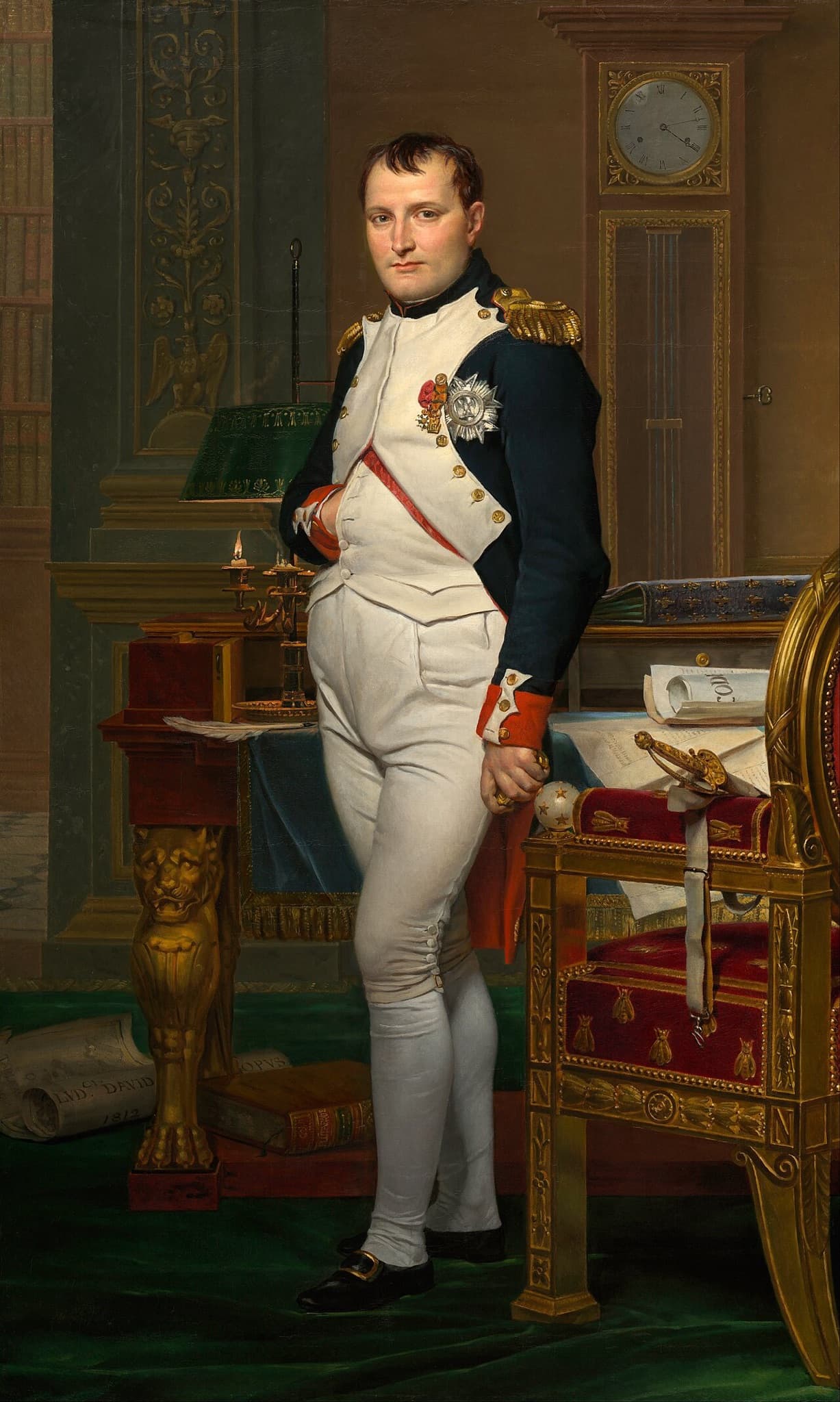
Napoleon Bonaparte (1769–1821) stands as one of history’s most extraordinary figures—a military genius, visionary statesman, and transformative leader whose impact continues to resonate more than two centuries after his death. Rising from modest Corsican origins to become Emperor of the French, he embodied ambition, strategic brilliance, and administrative innovation. While his wars brought devastation, his achievements in law, governance, education, and military science reshaped France, Europe, and the world.
Humble Beginnings and Meteoric Rise
Born on August 15, 1769, in Ajaccio, Corsica, to a family of minor Italian nobility, Napoleon received a French military education. He excelled in artillery and mathematics, graduating from the École Militaire in Paris. The French Revolution (1789–1799) provided the chaos and opportunity he needed. At just 24, he gained fame for his role in the Siege of Toulon (1793), where his artillery tactics helped recapture the city from British and royalist forces.
By 1796, as commander of the Army of Italy, Napoleon demonstrated his genius. Facing larger Austrian and allied forces, he used rapid maneuvers, division of enemy armies, and exploitation of terrain to win a string of victories. The Italian Campaign (1796–1797) made him a national hero, leading to the Treaty of Campo Formio, which expanded French territory. His Egyptian expedition (1798–1799), though militarily mixed, advanced scholarship with the discovery of the Rosetta Stone.
In 1799, he orchestrated the Coup of 18 Brumaire, becoming First Consul and effectively ruler of France. In 1804, he crowned himself Emperor Napoleon I in Notre-Dame Cathedral, a bold act symbolizing his self-made destiny.
Military Genius: Master of Warfare
Napoleon is widely regarded as one of the greatest military commanders in history. His tactics—emphasizing speed, mobility, corps system organization, and decisive battles—are still studied in military academies today. He fought over 60 battles and won most, often against coalitions of major powers.
Key triumphs include:
• Battle of Austerlitz (1805): Often called his masterpiece, Napoleon defeated a larger Russo-Austrian force through brilliant deception and timing, securing French dominance in Central Europe.
• Battles of Jena-Auerstedt (1806): Crushed Prussian armies, showcasing his ability to coordinate multiple corps.
• Earlier wins like Marengo (1800) and the Italian campaigns highlighted his operational brilliance.
More from Amerigo
Latest stories
Culture
McDonald’s Is Betting Billions on an A.I.-Powered Future
CHICAGO — For decades, the machinery behind a McDonald’s restaurant was relatively easy to recognize: grills, fryers, cash registers and drive-through headsets.

America · Crime
Online Personality Known as Clavicular Faces Rape and Drugging Charges in Massachusetts
Braden Peters, the online personality known as Clavicular, is facing criminal charges in Massachusetts over allegations that he raped and drugged a teenager during an encounter on Cape Cod last year, bringing new scrutiny to an internet figure who gained…