The Mob at Parish Prison: How an 1891 Lynching Shaped Columbus Day
Eleven Italian Americans were killed by a New Orleans mob in March 1891. A year later, a presidential proclamation turned Christopher Columbus into a national symbol, and an olive branch.

On the night of October 15, 1890, New Orleans Police Chief David Hennessy was ambushed by gunmen near his home on Girod Street. He died the next morning. Within hours, the city had settled on its suspects: the Sicilian immigrants who crowded the French Quarter and worked the docks along the Mississippi.
Hennessy, the story went, had whispered a slur for Italians before he died. Whether he said it or not, the accusation was enough. Police swept through the immigrant quarter and arrested scores of men. Nineteen were eventually indicted, and in February 1891 nine of them went on trial.
The prosecution's case was thin. On March 13, the jury acquitted six of the defendants and could not reach a verdict on the other three. None of the men were released. That evening, newspapers carried a call for citizens to gather the next morning at the statue of Henry Clay on Canal Street "to remedy the failure of justice."
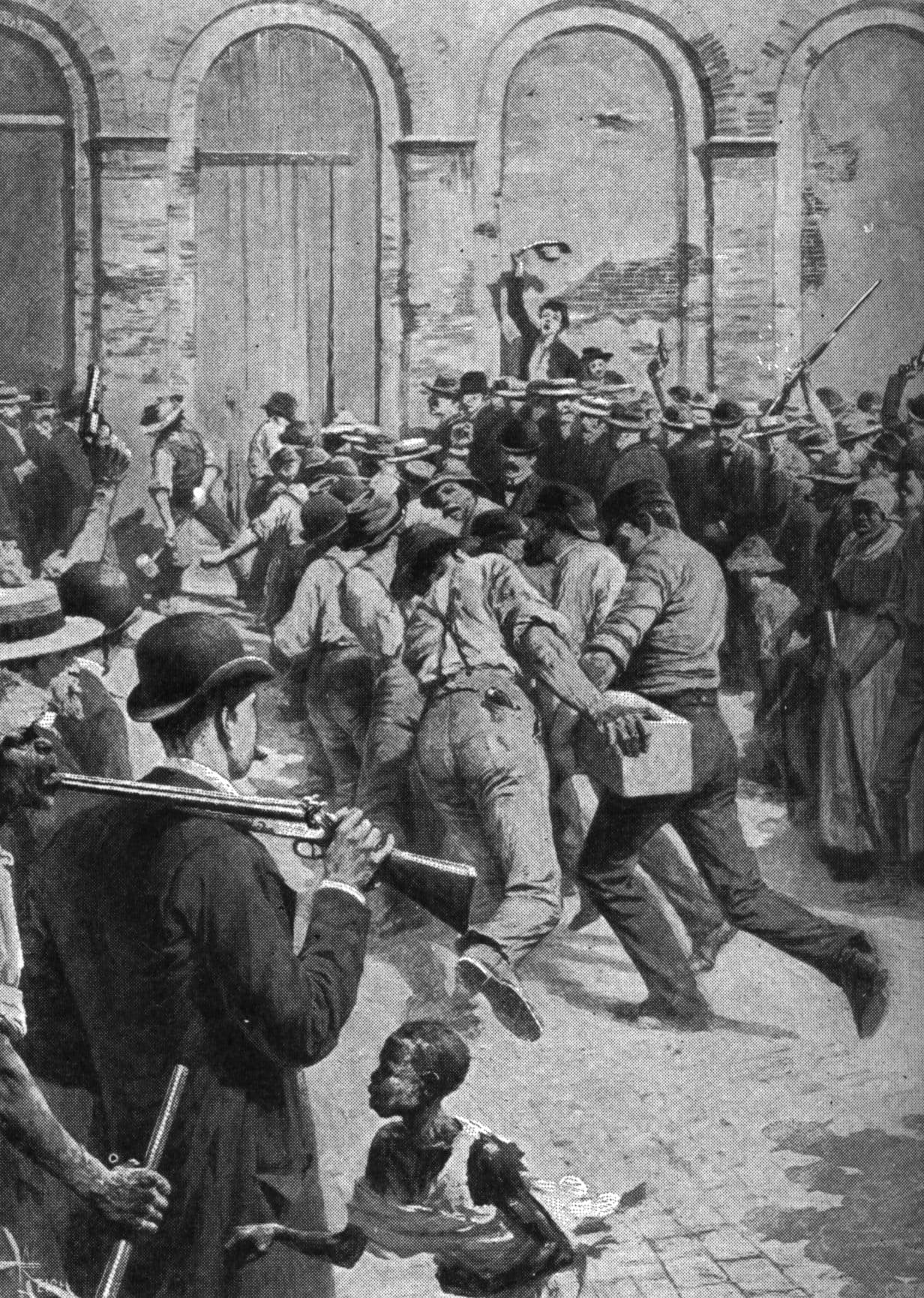
Thousands came. Led by a lawyer named William Parkerson and other prominent men of the city, the crowd marched to the Parish Prison, battered through a side door and hunted the Italian prisoners through the corridors. Nine were shot inside. Two more were dragged outside and hanged, one from a lamppost and one from a tree, as onlookers cheered. Several of the dead had been acquitted the day before. Some had never been tried at all.
It remains one of the largest mass lynchings in American history. A grand jury later declined to indict anyone who took part.
A diplomatic crisis
The killings caused an international incident. Italy demanded that the killers be punished and that the families be compensated, and when Washington replied that justice was a matter for the State of Louisiana, Rome recalled its minister, Baron Saverio Fava. For a few tense weeks, American newspapers speculated openly about war with Italy.
The standoff ended in 1892, when the administration of President Benjamin Harrison agreed to pay an indemnity of $25,000 to the Italian government. That same year, Harrison made a more lasting gesture. With the 400th anniversary of Christopher Columbus's landing approaching, he issued a proclamation calling on Americans to mark the occasion with a national celebration on October 21, 1892.
Historians have long read the proclamation as, in part, an olive branch to Italy and to Italian Americans, who had just been treated as a suspect class. For an immigrant community often caricatured as criminal and unassimilable, a Genoese navigator at the very start of the American story offered a claim to belonging. Italian American groups spent the next four decades campaigning for a permanent holiday, and Columbus Day became a federal observance in 1937.
More from Amerigo
Latest stories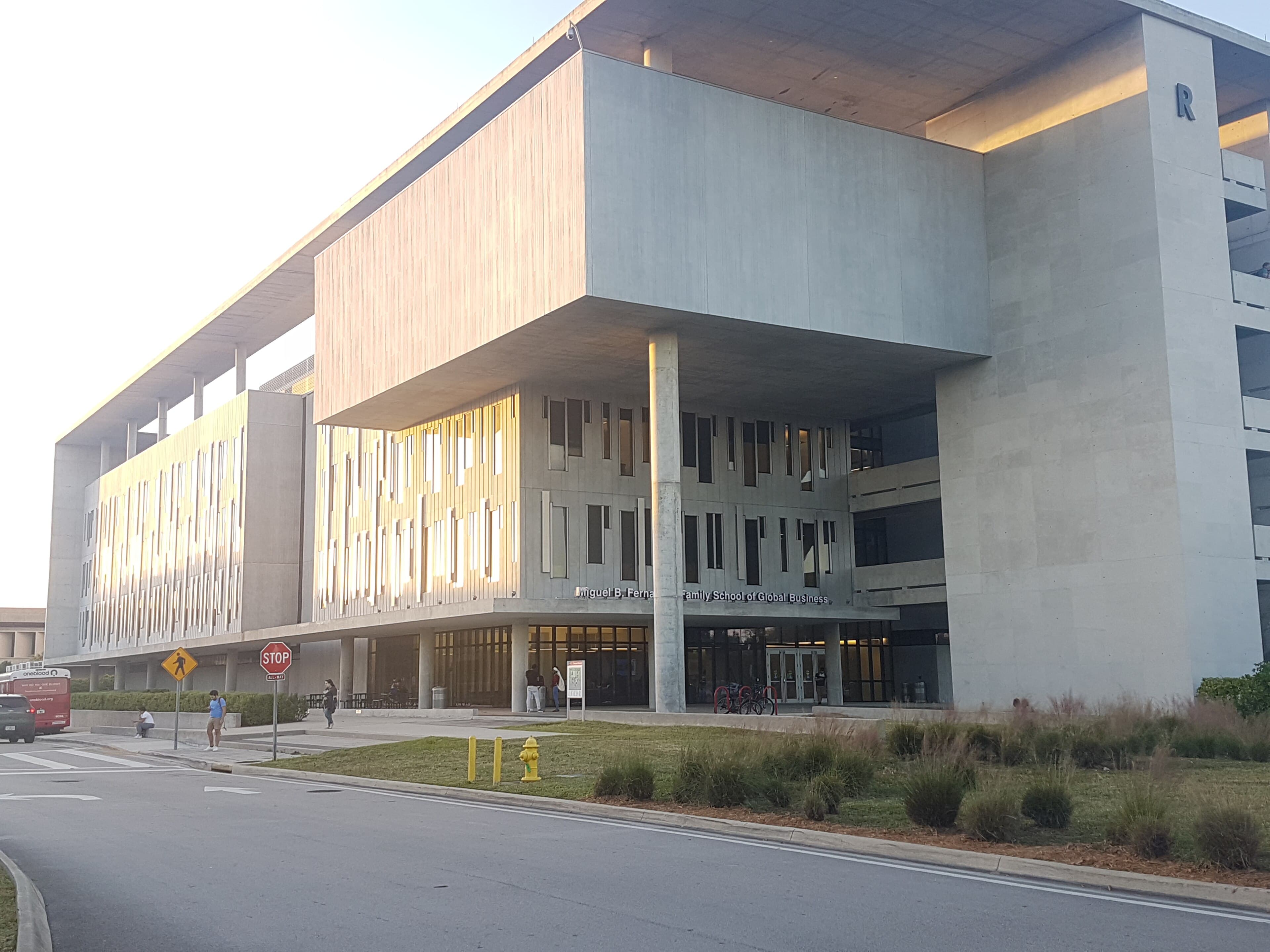
America · Miami
Man in Fake ICE Gear Arrested at Miami Polling Site for Brazil's Election
Authorities say a Port St. Lucie man voted at Miami Dade College's Kendall Campus, then came back dressed as an immigration agent to film frightened Brazilian voters. He faces charges including voter intimidation.
World · Vatican
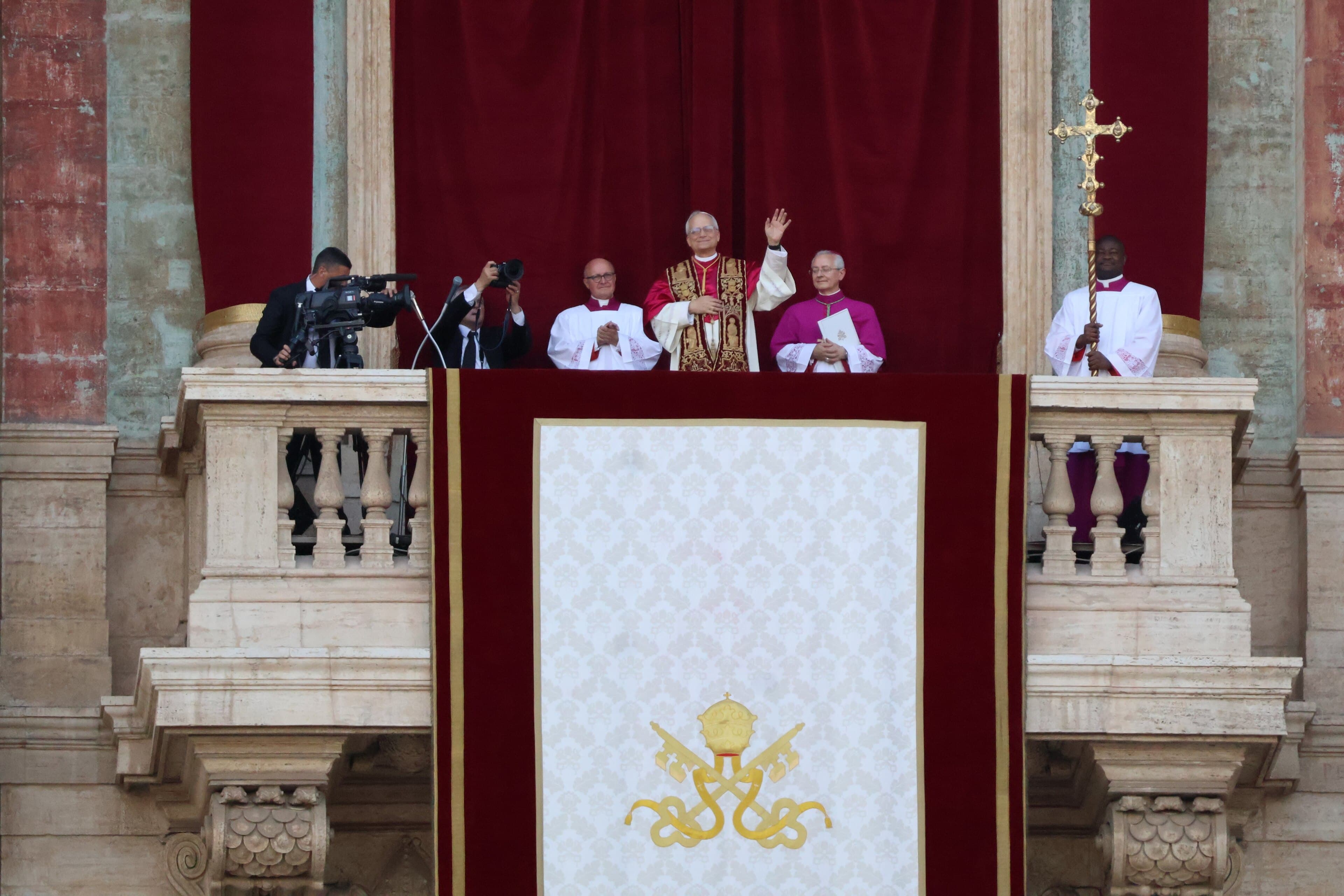
Pope Leo XIV Recovering After Lung Cancer Surgery, Vatican Says
Doctors at Rome's Gemelli Hospital removed the lower lobe of the pope's right lung on Tuesday and confirmed adenocarcinoma. A day later, the Vatican says he is walking, eating and recovering normally.

Film · Obituary
RJ Mitte, Walter White Jr. on Breaking Bad, Dies at 34
The actor turned his breakout role into years of disability advocacy and later put down roots in Brownsville, Texas. Police say the circumstances of his death are still under investigation.