Frank Sinatra and the Price of a Name
Born in a Hoboken tenement to a Sicilian boxer and a Ligurian political boss, Sinatra turned down the chance to become “Frankie Satin” and became the most famous Italian American of the century, with all the pride and baggage that came with it.

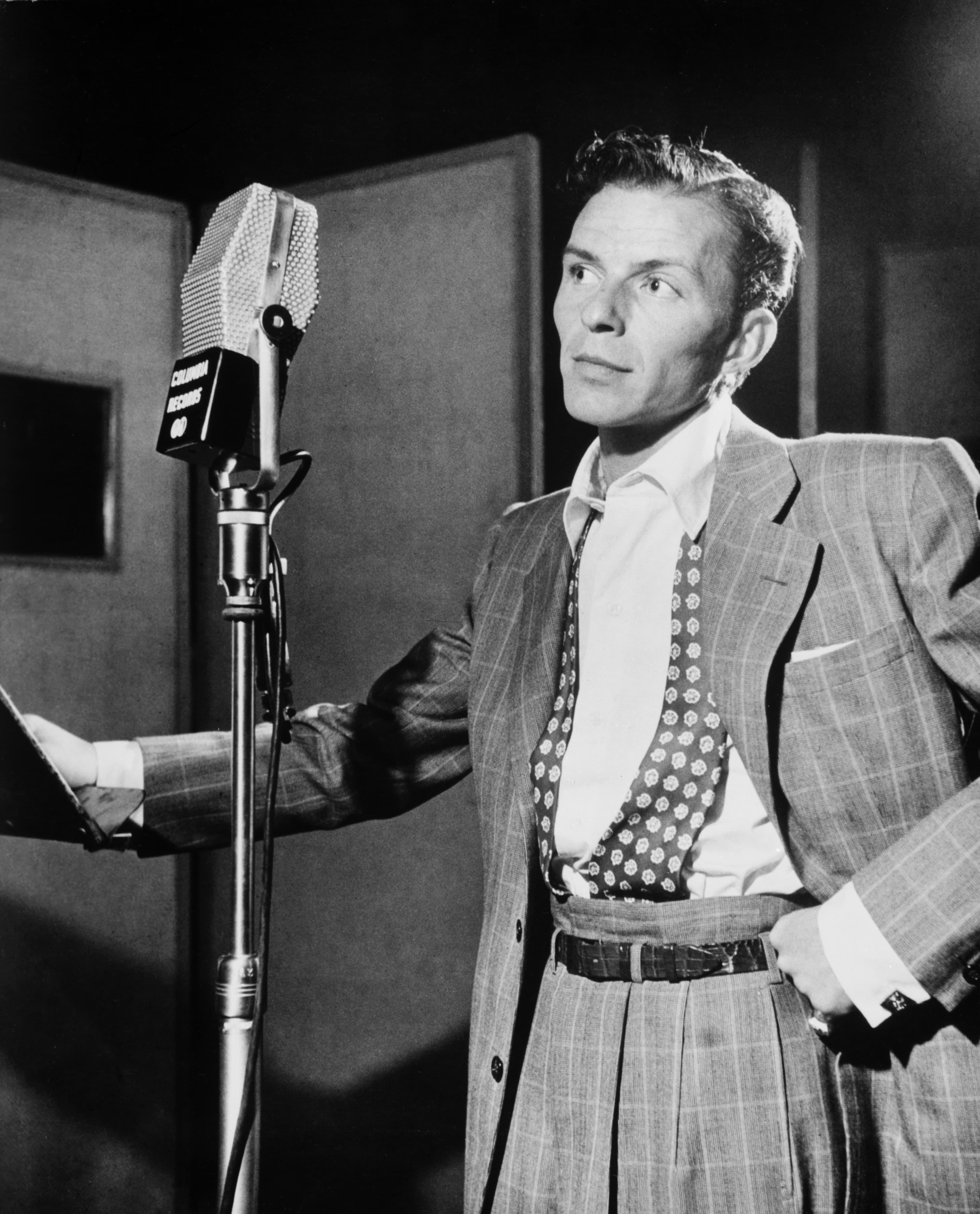
Early in Frank Sinatra’s career, the bandleader Harry James had a suggestion for his skinny new singer: change the name. Something smoother, something that would play better on a marquee. Something like Frankie Satin.
Sinatra said no. It was a small decision that turned out to be a big one. For the next six decades, every time the most famous singer in the world stepped onto a stage, an Italian name went up in lights with him.
Marty and Dolly
Francis Albert Sinatra was born on Dec. 12, 1915, in a tenement at 415 Monroe Street in Hoboken, New Jersey, the only child of Italian immigrants. It was a brutal birth. He weighed 13 and a half pounds and was pulled out with forceps, which left scars on his left cheek and neck and damaged his left eardrum for life. His baptism had to wait until the following April.
His father, Antonino Martino “Marty” Sinatra, came from Sicily. Marty couldn’t read or write. He boxed as a bantamweight and later joined the Hoboken Fire Department, eventually rising to captain. His mother, Natalina “Dolly” Garaventa, came from the area around Genoa, in Liguria. In Italy, a Sicilian and a Genoese might as well have come from different countries. In Hoboken, they were simply Italian.
Dolly was the force in the family. Energetic, ambitious and politically shrewd, she became a power broker in Hoboken’s Democratic wards, and biographers see her as the dominant influence on her son’s personality. In 1935 she helped get him into a local singing group that became the Hoboken Four. They won the Major Bowes Amateur Hour, the “America’s Got Talent” of its day.
The Voice
In 1939 Sinatra joined Harry James’s band, and that November he moved to Tommy Dorsey’s, one of the biggest bands in the country. Within a few years he was a solo phenomenon. In October 1944, during a return engagement at New York’s Paramount Theatre, some 35,000 fans who couldn’t get in nearly rioted in Times Square. It was Columbus Day.
The next year, at the height of that fame, Sinatra made a 10-minute film called “The House I Live In.” In it, he steps outside a recording session for a cigarette and finds a gang of boys chasing a Jewish kid. He stops them and tells them, in effect, that they are all Americans and that one American’s blood is as good as another’s. The son of Italian immigrants, in a country that had only recently treated Italians as enemy aliens, was using his fame to argue against prejudice. The film won an honorary Academy Award and a special Golden Globe, and in 2007 the Library of Congress added it to the National Film Registry.
Every time the most famous singer in the world stepped onto a stage, an Italian name went up in lights with him.
More from Amerigo
Latest stories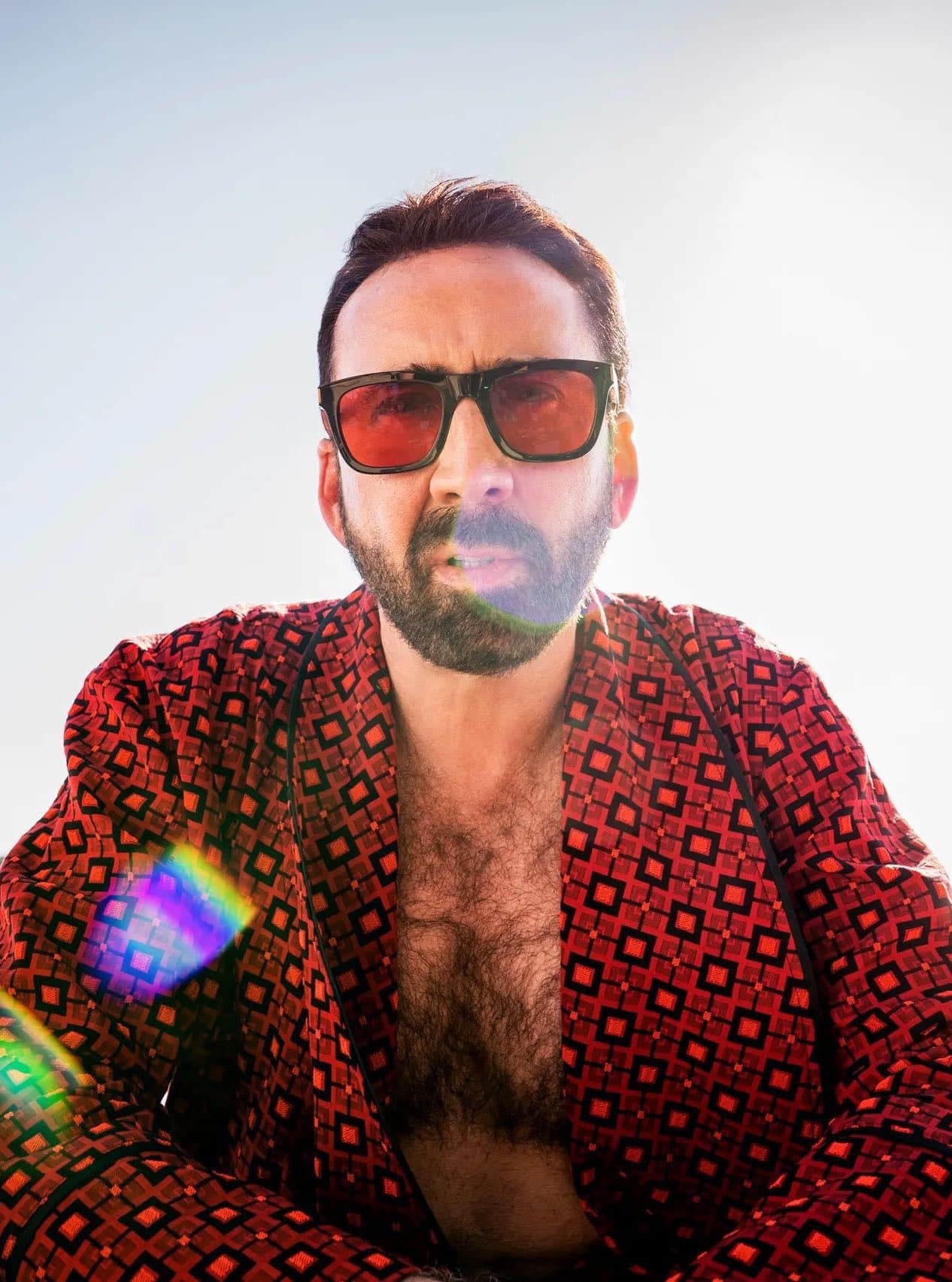
Film · Television
Nicolas Cage Lets It Slip: He’s Headed to ‘True Detective’ Season 5
At New York Comic Con, the actor all but confirmed he’ll lead the next season of HBO’s crime anthology, playing a New York detective in a Jamaica Bay mystery from “Night Country” showrunner Issa López.
America · Italian American Heritage
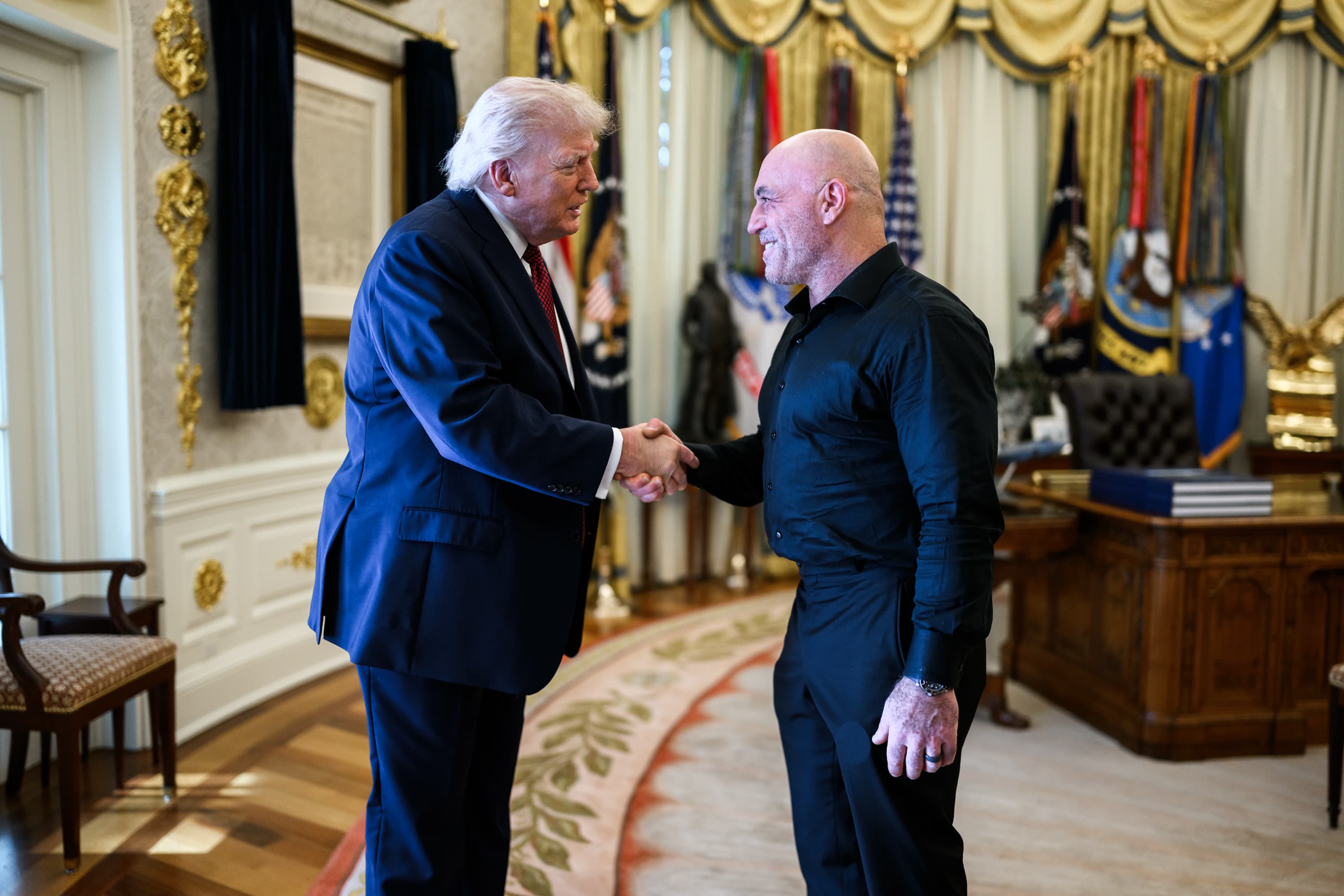
The Most Famous Italian American Nobody Thinks of as Italian: Joe Rogan
America’s biggest podcaster got his Irish surname from one grandfather. The other three were Italian. Here’s the heritage behind the name, and why it so rarely comes up.
America · Remembrance
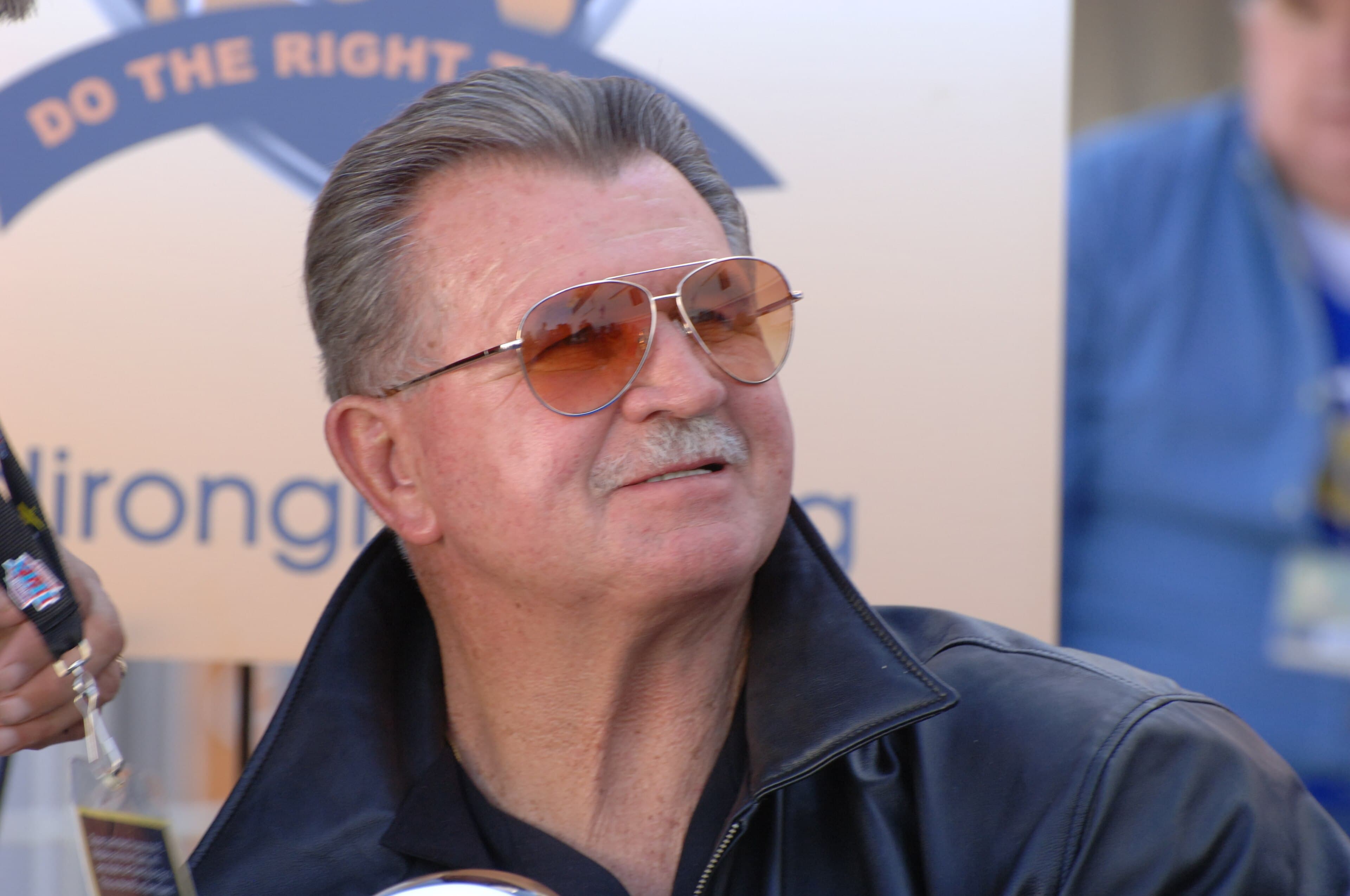
Mike Ditka, 1939–2026: The Steel-Town Tough Guy Who Became Chicago
He reinvented the tight end, won championships as a player, assistant and head coach, and turned the 1985 Bears into a national obsession. Mike Ditka has died at 86.