

The Eagles: The Greatest American Rock Band
In the pantheon of American rock music, few acts loom as large as the Eagles. Formed in Los Angeles in 1971, the band—originally consisting of Glenn Frey, Don Henley, Bernie Leadon, and Randy Meisner—did more than just sell records.

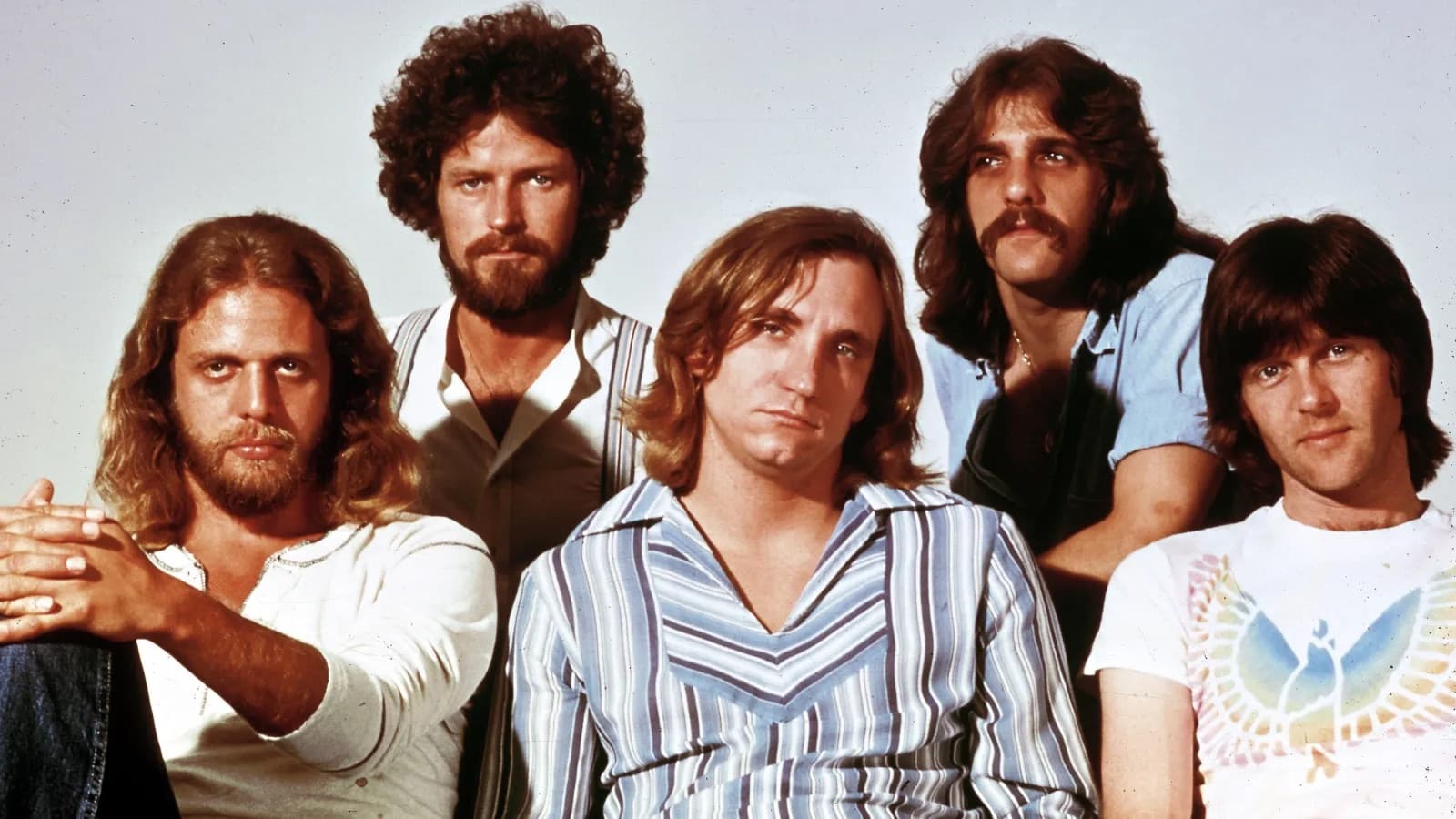
In the pantheon of American rock music, few acts loom as large as the Eagles. Formed in Los Angeles in 1971, the band—originally consisting of Glenn Frey, Don Henley, Bernie Leadon, and Randy Meisner—did more than just sell records. They captured the essence of the American experience in the 1970s: the fading idealism of the 1960s, the allure and pitfalls of the California dream, and a smooth, harmonious blend of rock, country, and folk that became the decade’s defining soundtrack.
With over 200 million records sold worldwide (more than 100 million in the U.S. alone), six number-one albums, five number-one singles, six Grammy Awards, and a legacy that continues to dominate charts and airwaves decades later, the Eagles stand as the most commercially successful and culturally resonant American rock band of all time.
Unparalleled Commercial Dominance
No discussion of the Eagles’ greatness can begin without their sales records. Their 1976 compilation Their Greatest Hits (1971–1975) is the best-selling album in U.S. history, recently certified quadruple diamond by the RIAA for over 40 million units sold—the first album ever to reach that milestone. It surpassed Michael Jackson’s Thriller to claim the top spot.
Hotel California (1976) ranks as the third best-selling album in U.S. history with tens of millions of copies moved. These aren’t just numbers; they represent songs that have become woven into the fabric of American life—played at weddings, road trips, and barbecues for generations.
The band dominated the 1970s like few others, selling more albums that decade than any other act. Their polished yet rootsy sound appealed to a broad audience, bridging country and rock in a way that influenced everything from modern country radio to classic rock staples.
Musical Craftsmanship and Timeless Hits
The Eagles’ music was never about raw aggression or technical showmanship for its own sake. It was about songcraft: tight harmonies, memorable melodies, and lyrics that told stories of love, loss, excess, and disillusionment. Classics like “Take It Easy,” “Peaceful Easy Feeling,” “Lyin’ Eyes,” “Desperado,” “Life in the Fast Lane,” and the epic title track “Hotel California” (with its iconic guitar solo) remain radio mainstays.
Don Henley and Glenn Frey (who passed in 2016) emerged as one of rock’s great songwriting duos, channeling the spirit of the American West with literary precision. The addition of Joe Walsh and others brought edge and virtuosity without sacrificing accessibility. Their sound helped popularize country rock as mainstream, influencing generations of artists.
Critics sometimes dismiss them as “too polished” or “corporate,” but this misses the point. The Eagles mastered studio perfection while retaining emotional depth. Their harmonies were angelic, their arrangements meticulous, and their live shows legendary—evidenced by billion-dollar-grossing tours and a record-setting residency at Las Vegas’ Sphere.
Cultural Impact and Longevity
The Eagles didn’t just reflect their era; they defined it. In the post-1960s hangover, they chronicled the shift from counterculture dreams to material pursuits with unflinching honesty. “Hotel California” remains one of rock’s most analyzed metaphors for hedonism and entrapment in the American Dream.
Inducted into the Rock & Roll Hall of Fame in 1998 in their first year of eligibility, they received Kennedy Center Honors in 2016. Their music transcends generations—young fans discover it through parents, streaming, or films, finding it as relevant today as in 1976.
Compared to other American giants:
• The Beach Boys pioneered surf rock and intricate pop but peaked earlier.
• Creedence Clearwater Revival delivered rootsy anthems but had a shorter prime.
• Bands like Aerosmith or Van Halen rocked harder but lacked the Eagles’ broad cultural permeation and sustained dominance.
The Eagles combined massive commercial success, artistic consistency, and enduring appeal in a way no other U.S. rock band has matched.
Why They Endure
Despite occasional lineup changes, breakups (1980–1994), and internal drama, the Eagles’ catalog has only grown in stature. Their 2007 album Long Road Out of Eden debuted at No. 1, proving their staying power. In an age of fleeting streaming hits, their music feels like a monument—polished, profound, and profoundly American.
Detractors may prefer edgier or more “authentic” acts, but greatness isn’t measured solely by rebellion. It’s measured by impact, quality, and resonance. The Eagles provided the soundtrack for millions, sold more records than almost anyone, and crafted songs that people return to for comfort, nostalgia, and insight.
Take it easy? Perhaps. But in terms of sheer achievement and cultural footprint, the Eagles are the greatest American rock band. Their music isn’t just heard—it’s lived. And in the end, that’s what makes legends.
More from Amerigo
Latest storiesAmerica · Profile
Elon Musk: From PayPal Punk to the First Trillionaire
How a South African kid with a head full of sci-fi dreams rewired the planet, pissed off half the internet, and cashed in bigger than anyone in human history.
America · The Day in America
Chaos, Cash, and Cruise Missiles – America’s Wild Wednesday
In the grand American tradition of never doing anything halfway, Wednesday, June 10, 2026, delivered a perfect storm of geopolitical fireworks, pocketbook panic, border politics, billionaire drama, and basketball bedlam.

Interviews · The Amerigo Interview
Blood On Blonde - Amerigo Interviews
Blood On Blonde in conversation with Amerigo Magazine. Listen to the full interview.