

Miami’s Affordability Crisis Is Easing at the Edges—but It Is Far From Over
New apartments and a softer condominium market are giving some residents more negotiating power, but housing costs remain badly misaligned with local incomes.

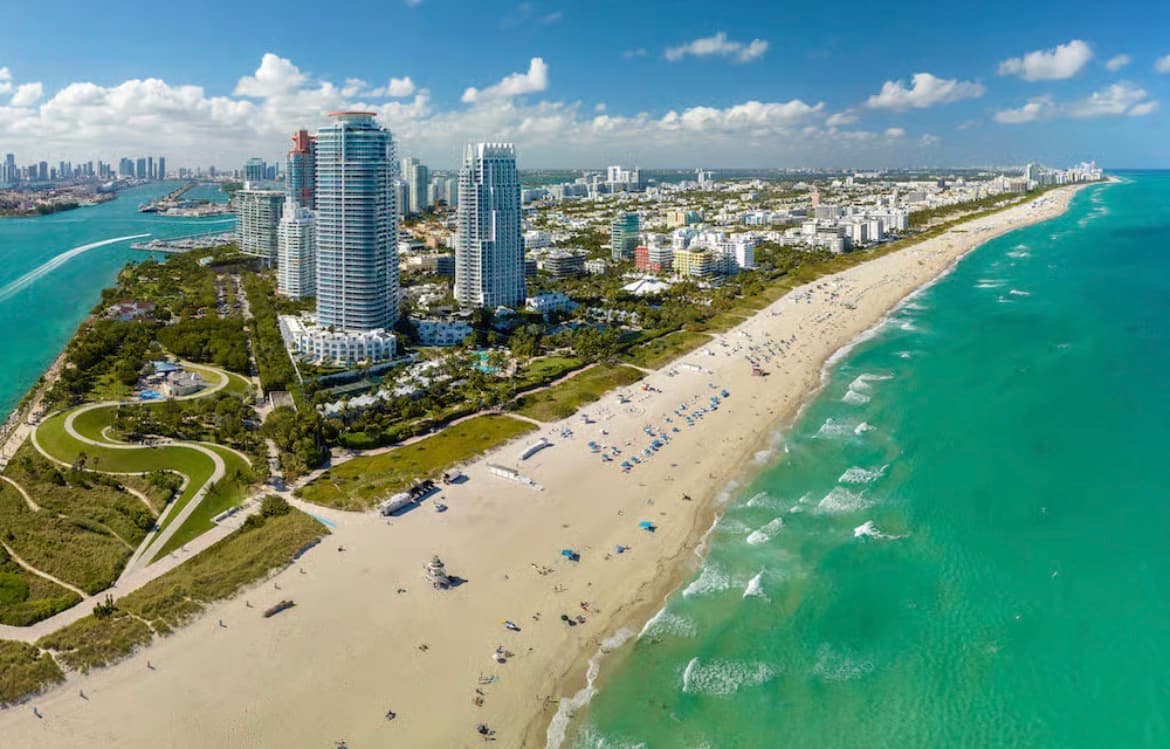
Miami’s housing market is no longer accelerating at the feverish pace seen during the pandemic. Rent increases have moderated, apartment seekers are encountering more concessions, and buyers can negotiate more aggressively in parts of the condominium market.
Yet Miami has not become affordable. As of September 2026, the region remains one of the most financially demanding places to live in the United States. The central problem is not simply that housing is expensive. It is that housing costs remain exceptionally high relative to what local households earn.
The typical asking rent across the Miami metropolitan area was $2,677 in July, up 1.4% from a year earlier, according to Zillow’s July 2026 rental report. Although that represents relatively restrained rent growth, the typical rent still consumed approximately 37.1% of the median household income—well above the 30% threshold commonly used to define housing affordability. Nationally, the comparable figure was 26.8%.
That distinction matters. Flat or slowly rising rents can stabilize an unaffordable market, but they do not necessarily make it affordable. Miami rents rose so rapidly earlier in the decade that even modest subsequent increases are being applied to a very high base.
Recent construction has nevertheless given renters some leverage. A surge of multifamily development expanded the number of available apartments, prompting some landlords to offer free rent, waived fees or other incentives. These concessions can reduce the effective cost of a lease, particularly in newly built buildings. But they are temporary benefits rather than permanent reductions in the advertised rent—and Zillow warns that the national apartment-construction pipeline is beginning to narrow.
The underlying income picture remains stark. The U.S. Census Bureau places Miami-Dade County’s median household income at $71,753 in 2020–2024 inflation-adjusted dollars, while median gross rent was $1,829. Its figures also show a median owner-occupied home value of $463,000 and a poverty rate of 14.2%.
A broader measure of financial hardship suggests that the strain extends far beyond households officially classified as poor. United Way Miami’s 2026 ALICE data reports that 56% of Miami-Dade households—563,947 in total—either live in poverty or earn too little to cover basic necessities. Its estimated survival budget for a family of four is $97,548, substantially above the county’s median household income.
For aspiring homeowners, the barrier is even higher. According to Miami Realtors’ July 2026 market report, Miami-Dade’s median single-family sale price reached $685,000, a 3.8% increase from the previous year. The median condominium price was lower, at $400,000, and had declined 1.5% year over year. But a 30-year mortgage rate of approximately 6.54% kept monthly payments elevated even before property taxes, insurance and maintenance were included.
More from Amerigo
Latest stories
Film
U.S. Military Planning Around Cuba Raises Questions About Washington’s Next Move
WASHINGTON — The United States military is taking additional steps to prepare for the possibility of action involving Cuba, according to new reporting, as the Trump administration intensifies its campaign of economic and political pressure against the…

Culture
McDonald’s Is Betting Billions on an A.I.-Powered Future
CHICAGO — For decades, the machinery behind a McDonald’s restaurant was relatively easy to recognize: grills, fryers, cash registers and drive-through headsets.